 1898
18981898U.S.–Cuba Relations
Spanish–American War
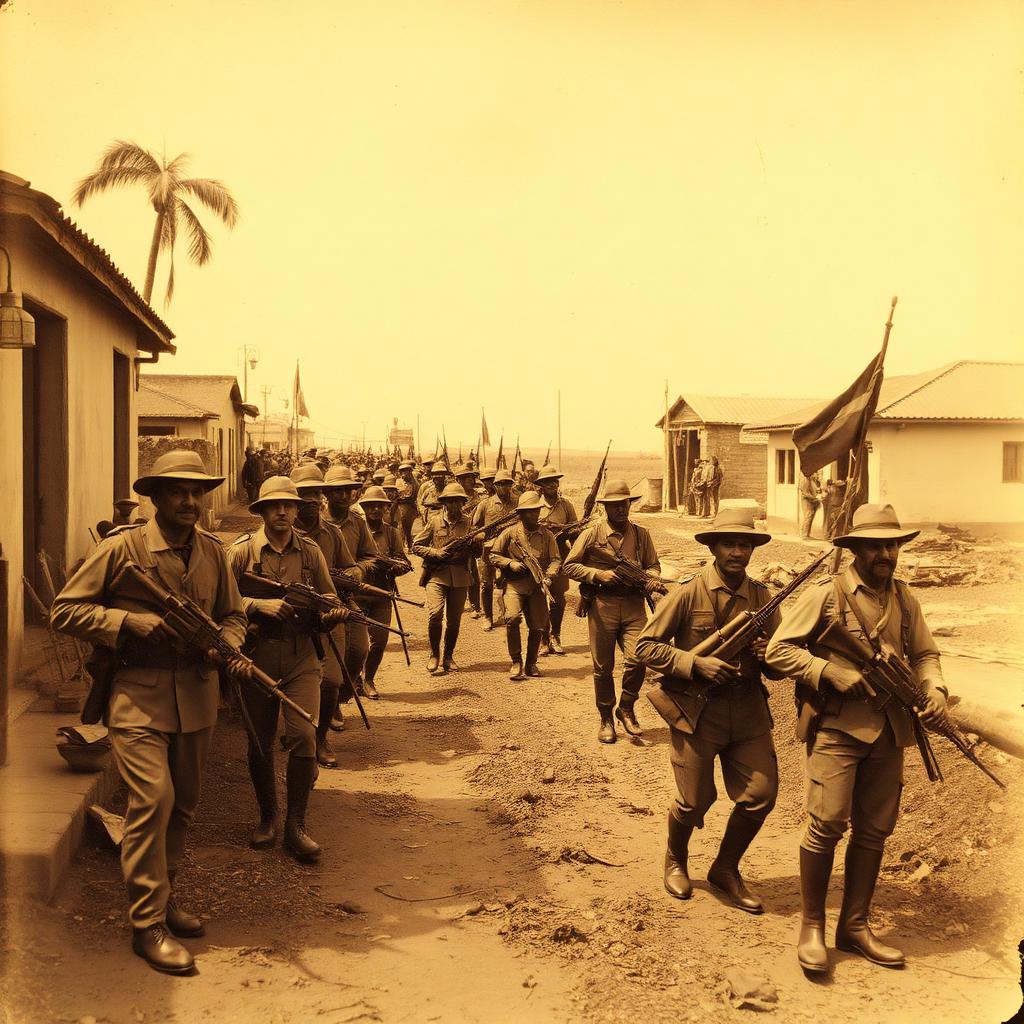
The United States enters the war in Cuba, ending nearly four centuries of Spanish colonial rule and beginning a new era of U.S.–Cuba ties.
Preserving the stories, contributions, and legacy of Cuban exiles across generations.
1898The United States enters the war in Cuba, ending nearly four centuries of Spanish colonial rule and beginning a new era of U.S.–Cuba ties.
 1902
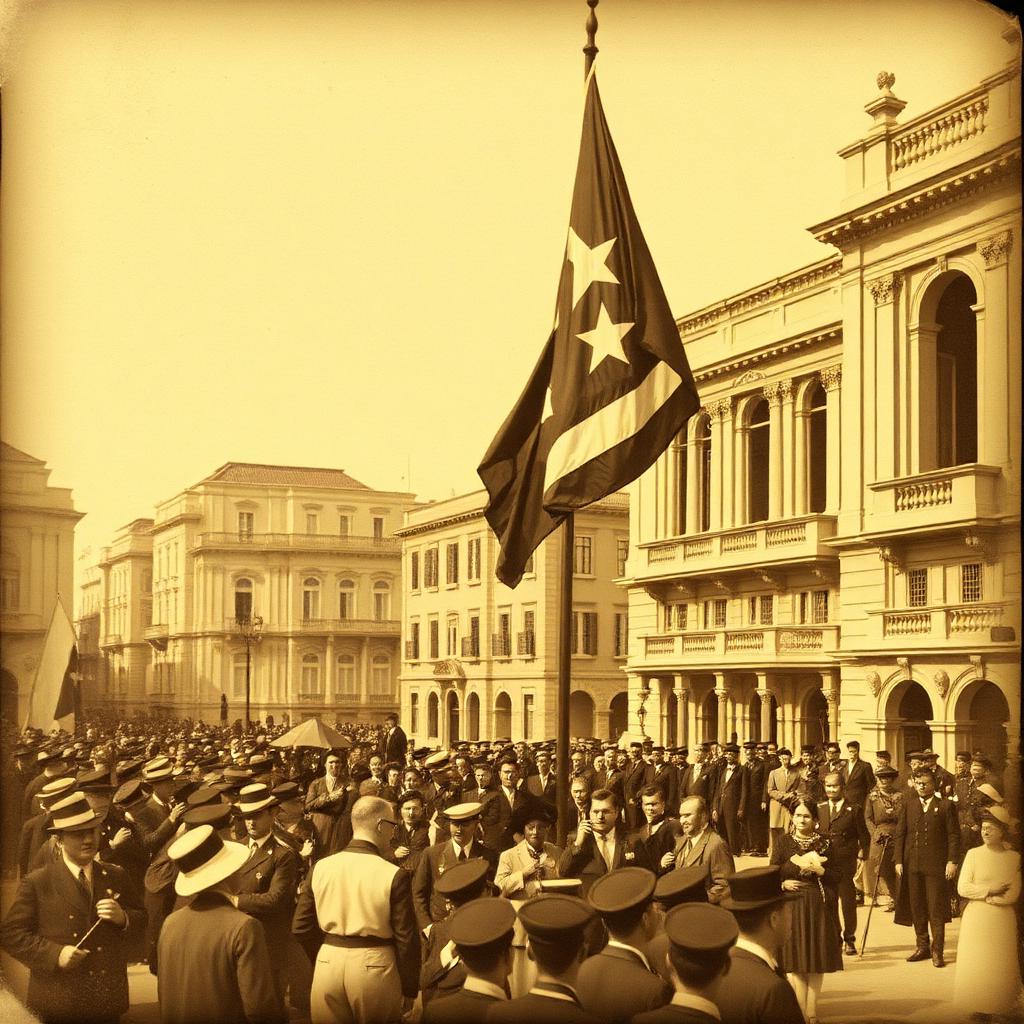
1902Cuba becomes a sovereign republic on May 20, 1902, after a period of U.S. military government following the war.
 1901–1934
An amendment to Cuba's constitution that defined U.S.–Cuba relations for three decades before being repealed under the Good Neighbor policy.
 1940
1940Cuba adopts a progressive constitution recognizing civil rights, labor protections, and universal suffrage — a touchstone for later democratic aspirations.
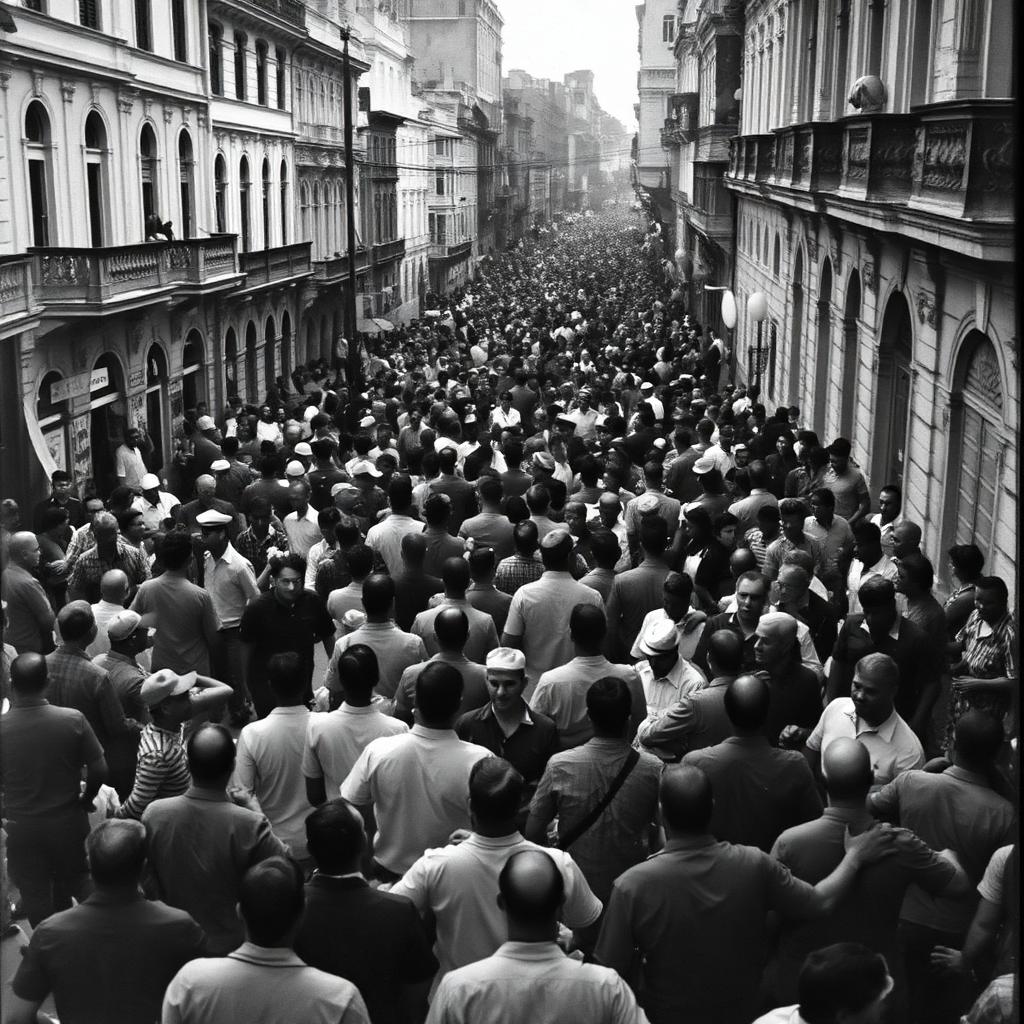 Jan 1, 1959
Batista is forced to leave Cuba paving the way for Fidel Castro's forces to enter Havana. Castro promises elections and then reneges on the promises. Within months, the revolution's authoritarian turn drives the first wave of exiles.
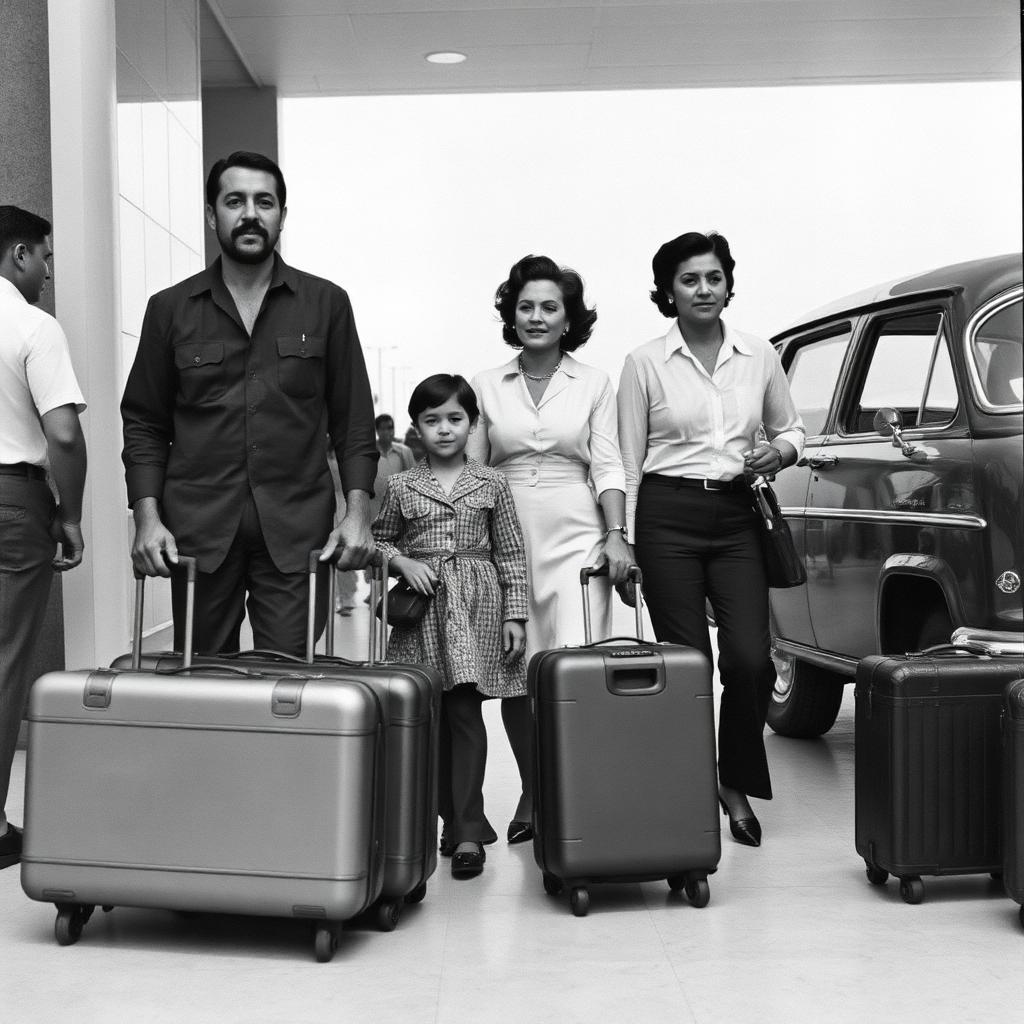 1959–1962
Professionals, business owners, and political dissidents flee the new regime, settling primarily in South Florida and the Northeast. *Cubans: An Epic Journey, Chapter 3
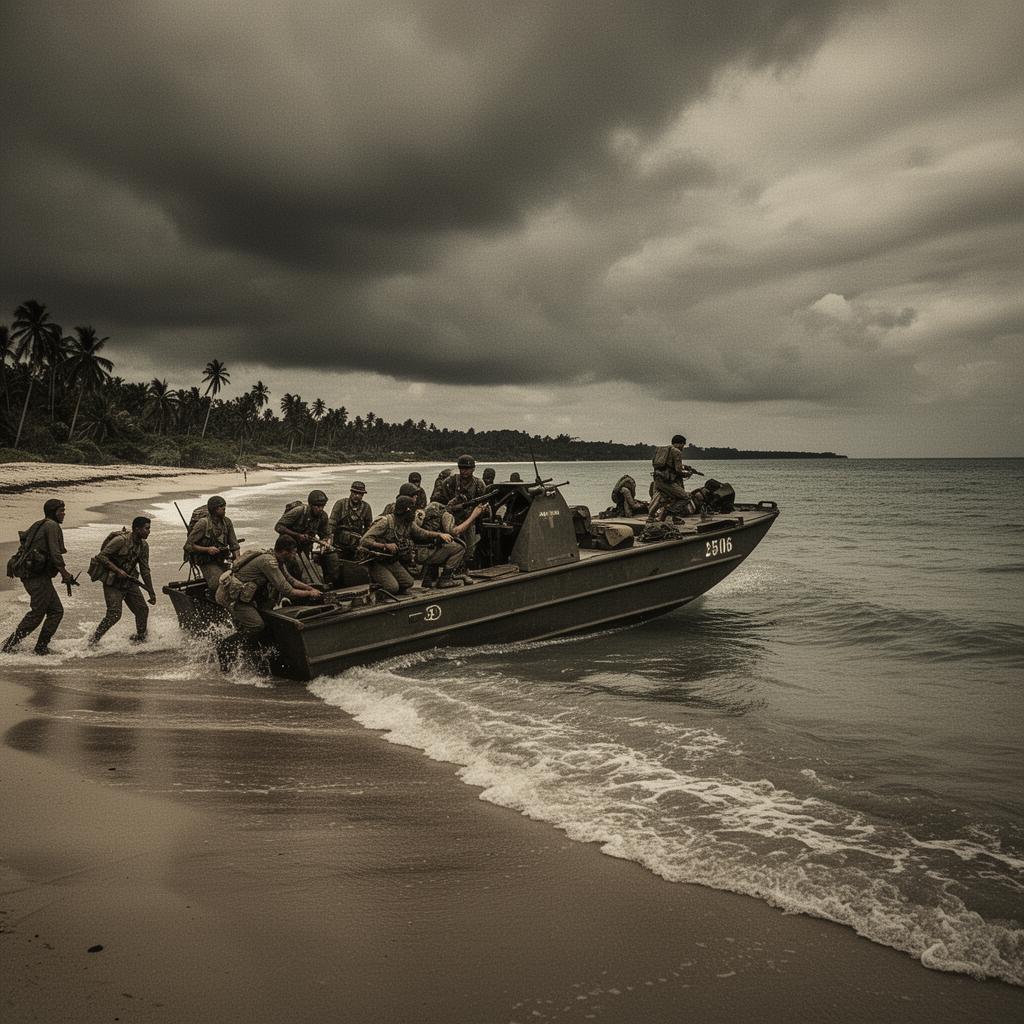
1961Brigade 2506, made up of Cuban exiles trained by the CIA, lands at Playa Girón in a failed effort to topple the Castro regime. *Cubans: An Epic Journey, Chapters 3-7
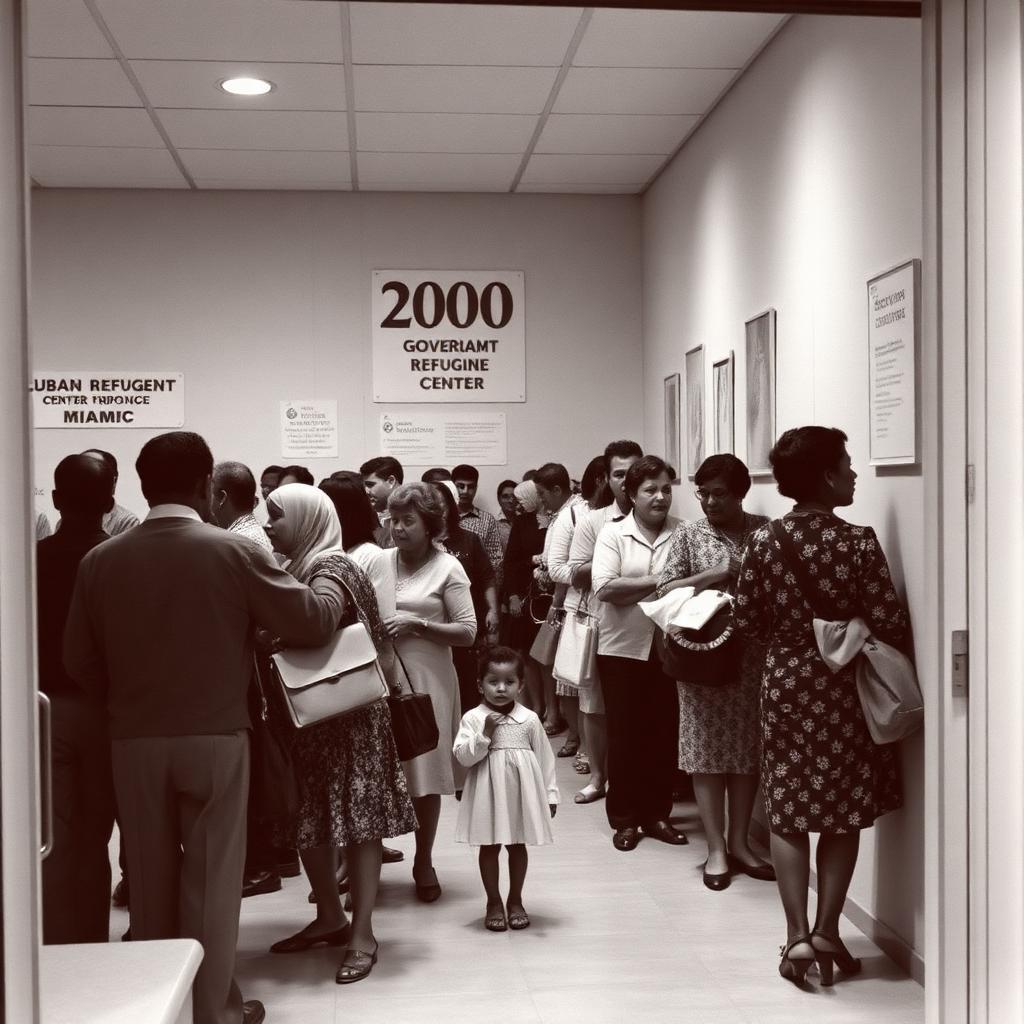 1961–1974
Created in 1961 to assist Cubans fleeing the Castro regime, this federal program provided healthcare, employment aid, and financial support to over 443,000 refugees through the Cuban Refugee Center located in the Freedom Tower in Miami, FL.
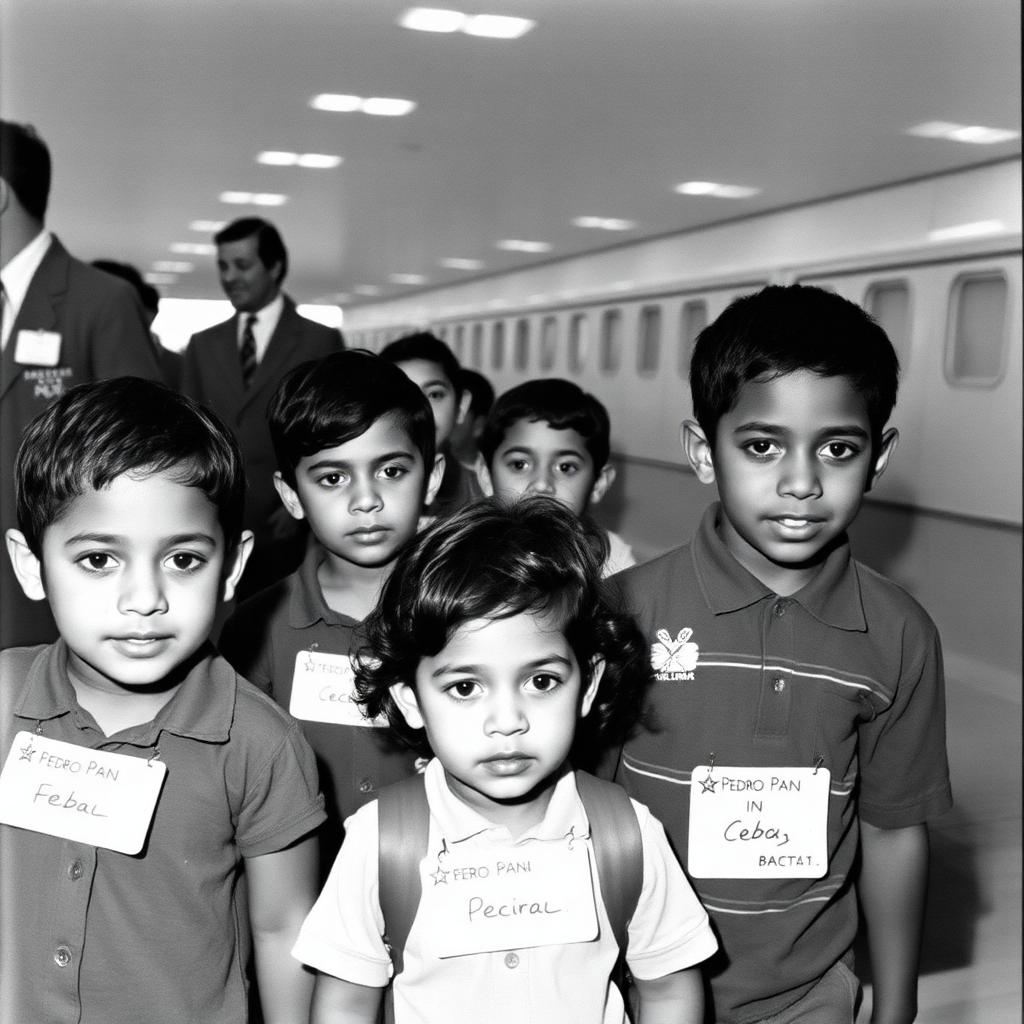 1960–1964
Driven by fear that the government would claim authority over their children’s rights, Cuban parents sent more than 14,000 minors to the United States alone — the largest exodus of unaccompanied children in Western Hemisphere history. *Cubans: An Epic Journey, Chapter 4
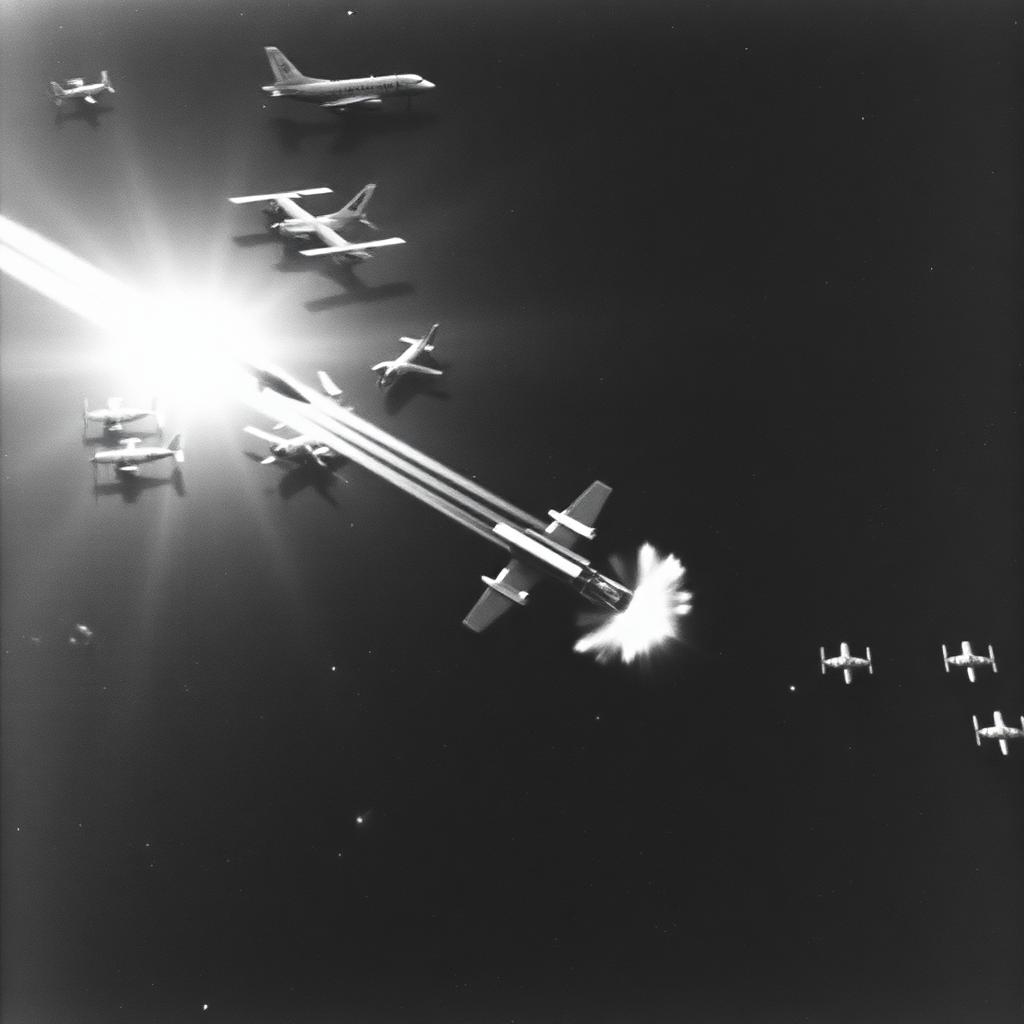 1962
1962The thirteen-day standoff over Soviet nuclear missiles in Cuba brings the world to the brink of nuclear war. The crisis ends with the Soviet Union promising to remove missiles from Cuba and the U.S. promising not to invade Cuba. *Cubans: An Epic Journey, Chapter 8
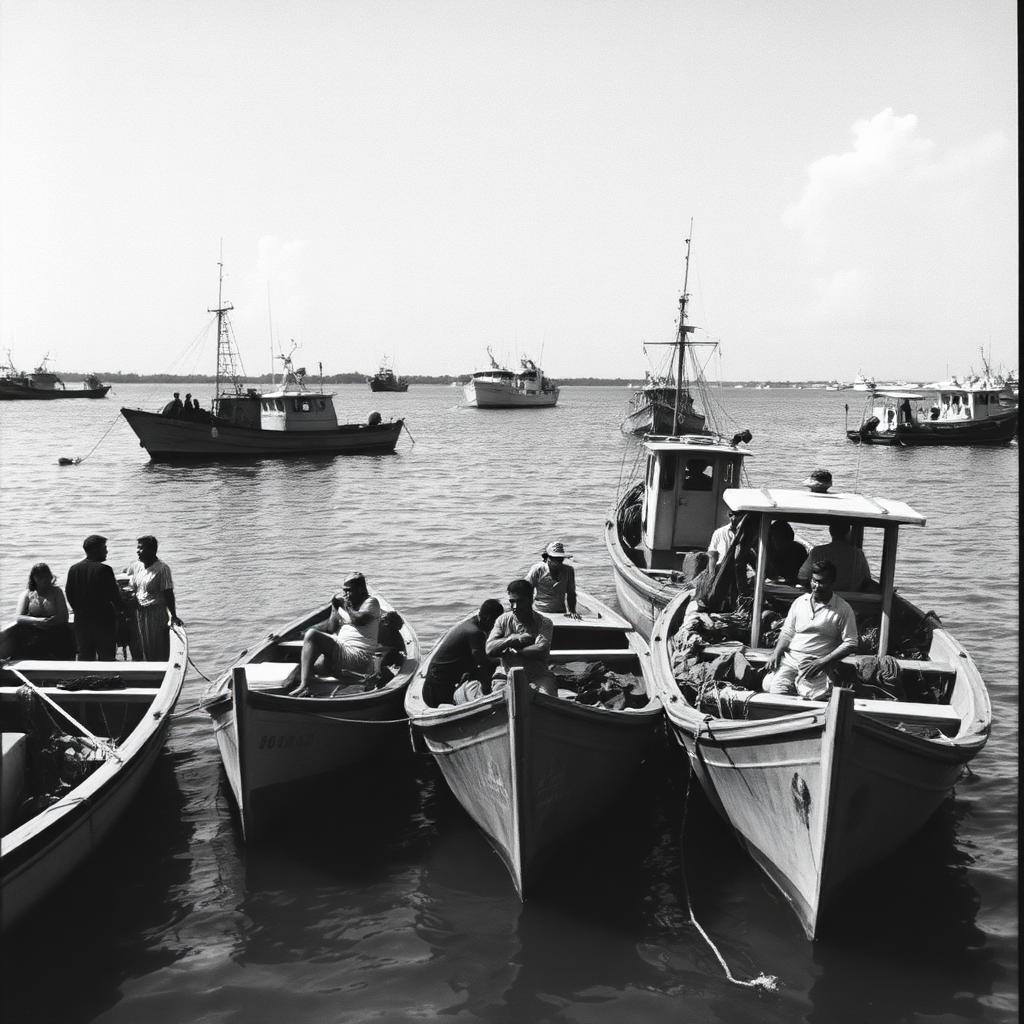 1965
1965Cuba briefly opens the port of Camarioca, prompting a small boatlift that pressured both governments toward a more organized migration program. *Cuba: A Chronological History, p. 291
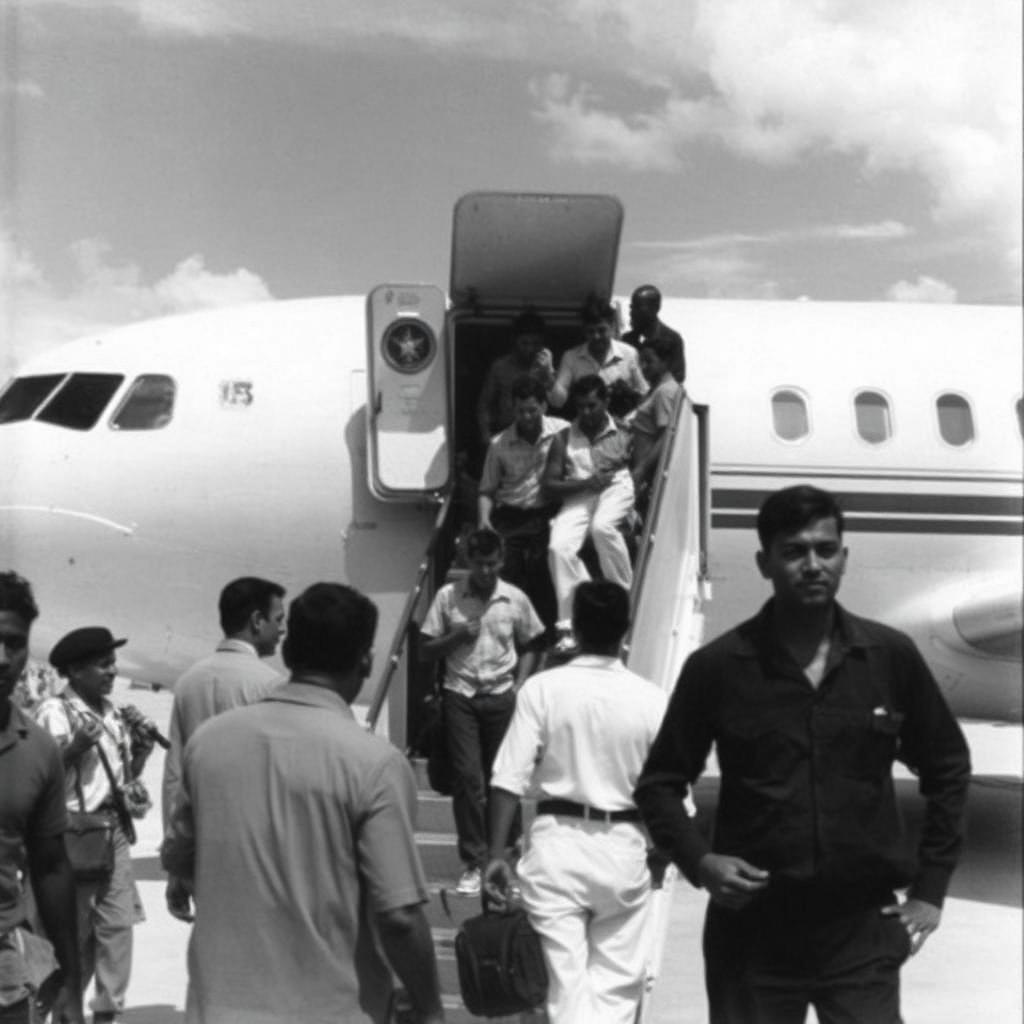 1965–1973
Twice-daily flights between Varadero and Miami bring more than 260,000 Cubans to the United States — one of the largest airborne refugee operations in history. *Cuba: A Chronological History, p. 291
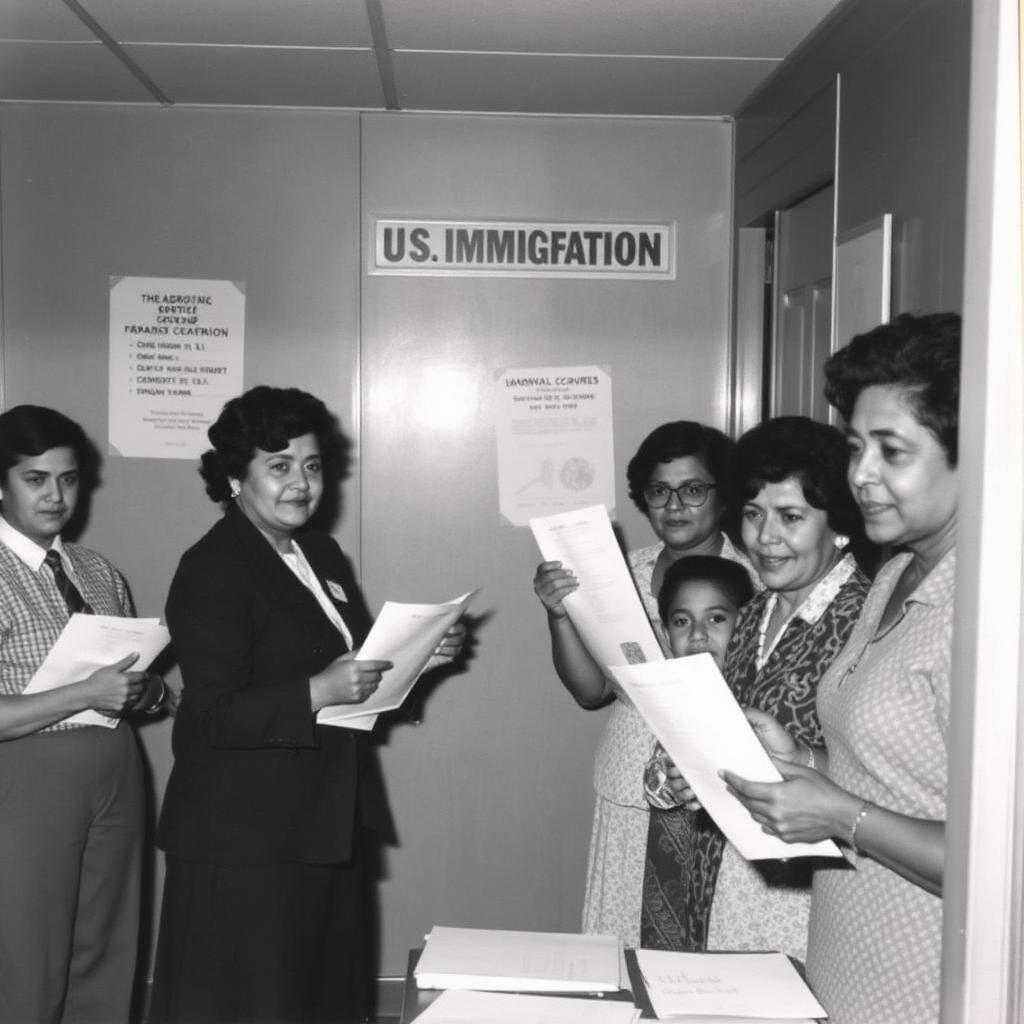 1966
1966U.S. law granting Cuban nationals a streamlined path to permanent residency, recognizing the unique nature of the Cuban exile experience. *Cuba: A Chronological History, p. 293
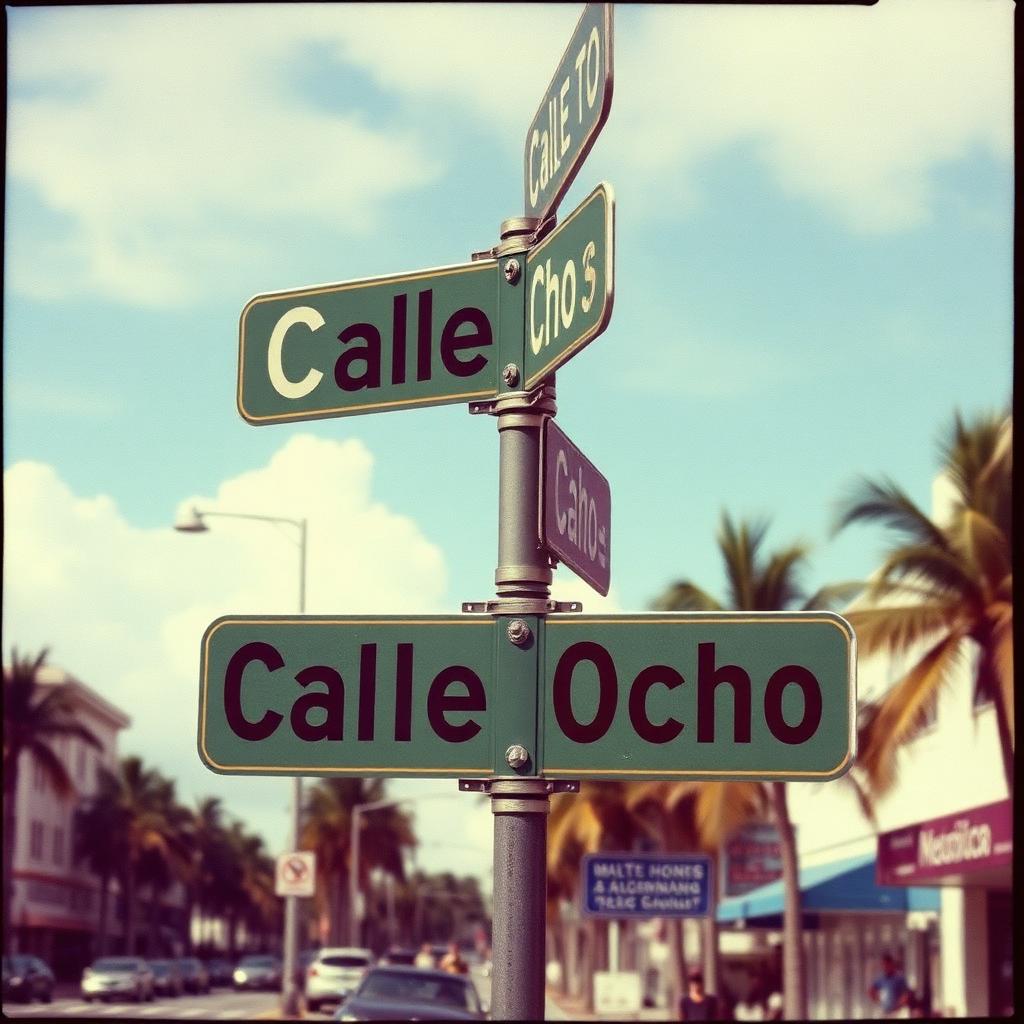 1973
1973Miami-Dade declares itself officially bilingual and bicultural, recognizing the rapid transformation of South Florida by Cuban exiles.
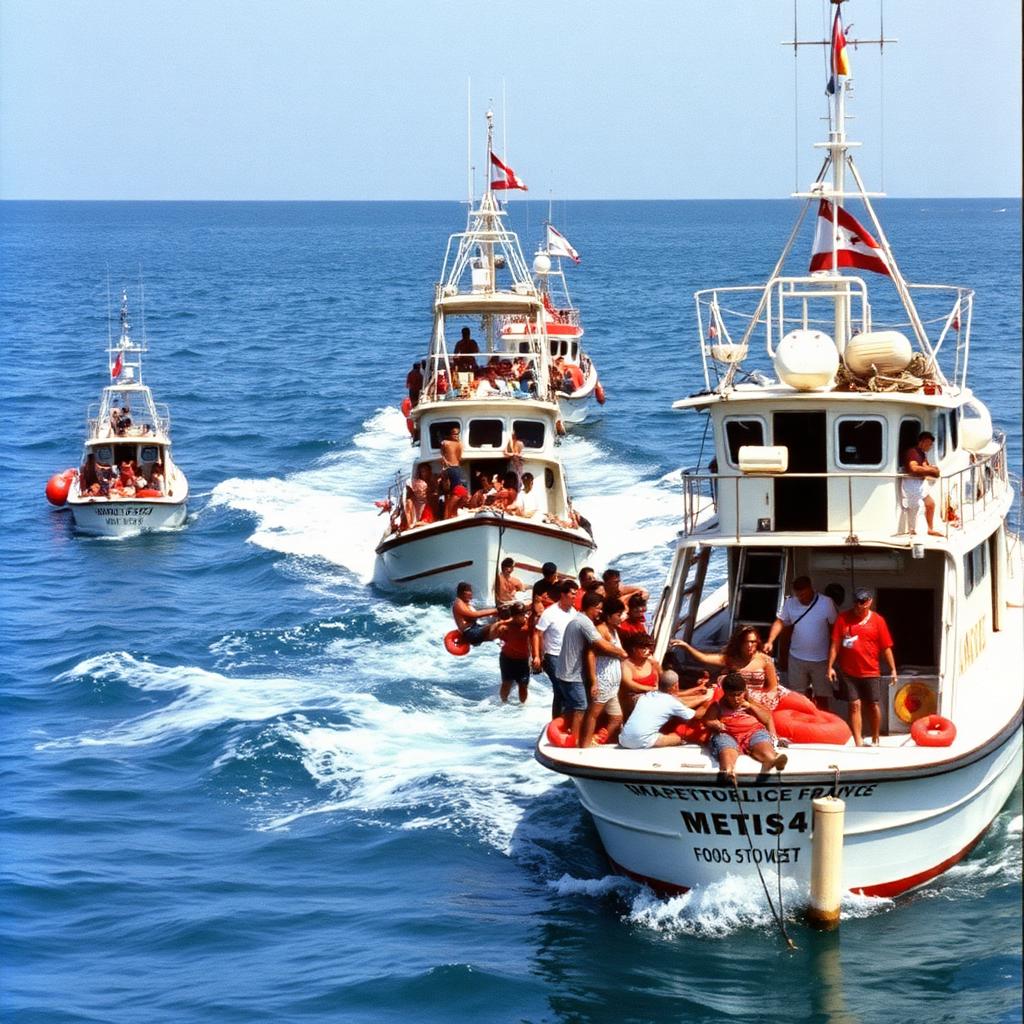 1980
1980Roughly 125,000 Cubans arrive in South Florida over six months after Castro opens the port of Mariel, reshaping Miami's demographics and economy. *Cubans: An Epic Journey, Chapter 10
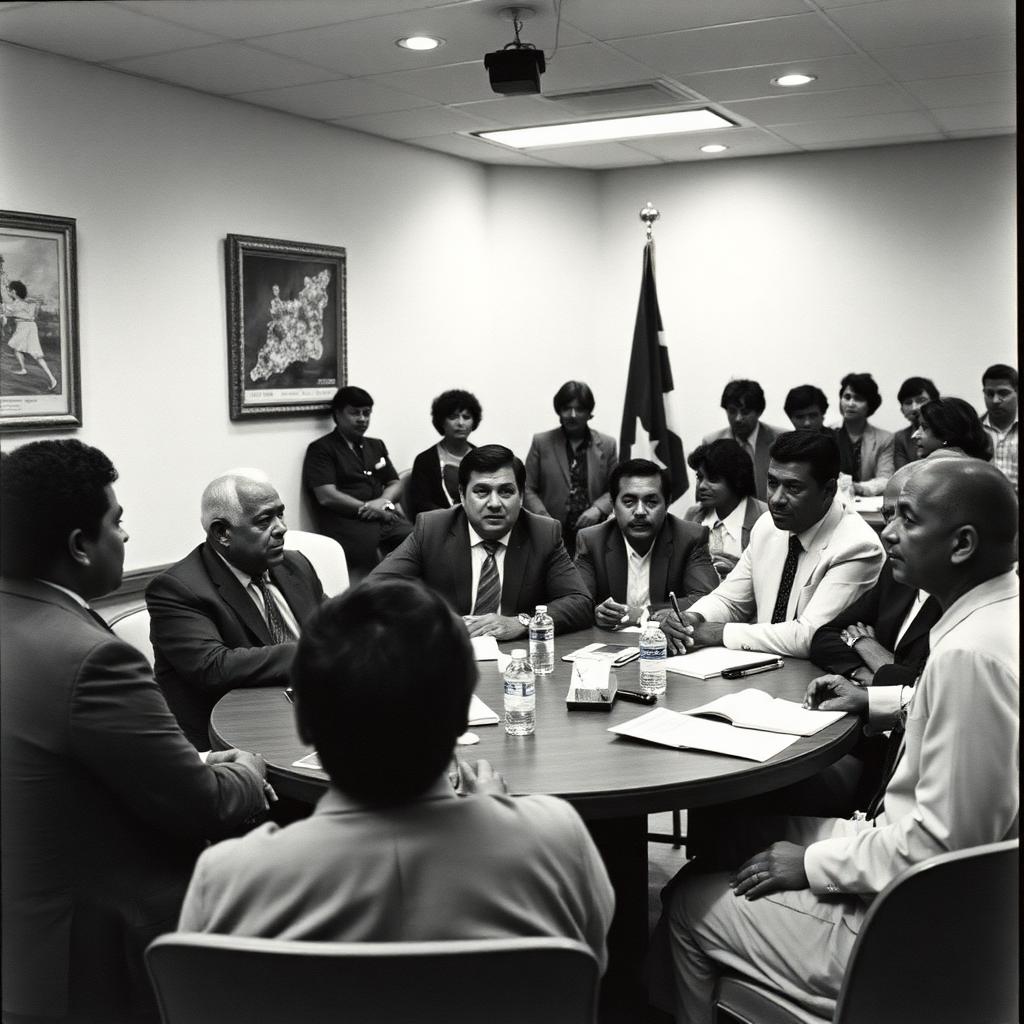 1980
1980Spanish American League Against Discrimination is established to defend the civil rights and image of Cuban and Hispanic communities in the United States.
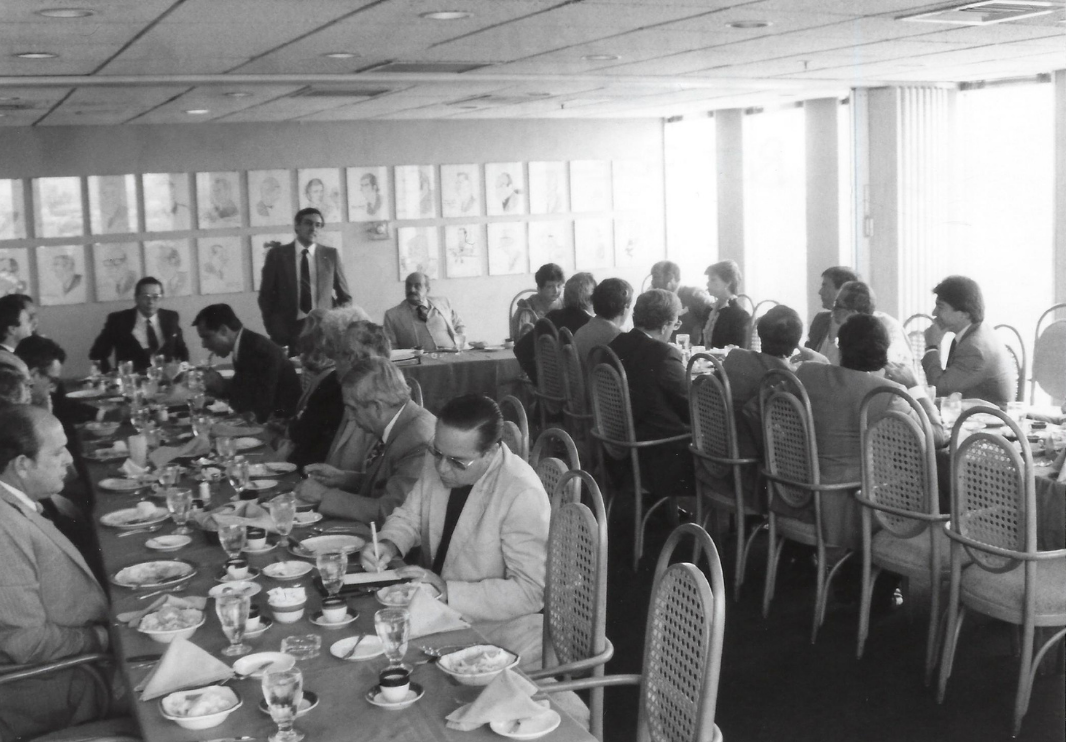 1982
1982Facts About Cuban Exiles is created to defend, preserve, promote, and celebrate the Cuban exile story — countering misrepresentation and elevating Cuban-American achievement.
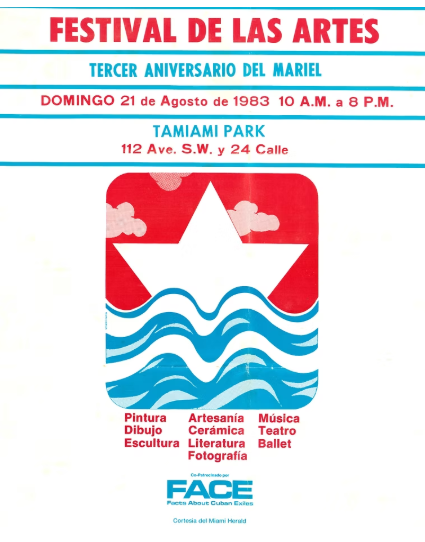 1983
1983FACE had a major role in the creation of this event, that brought together Cuban artists, writers, and musicians to celebrate their heritage, helping Cuban artists to reestablish their artistic careers in the United States.
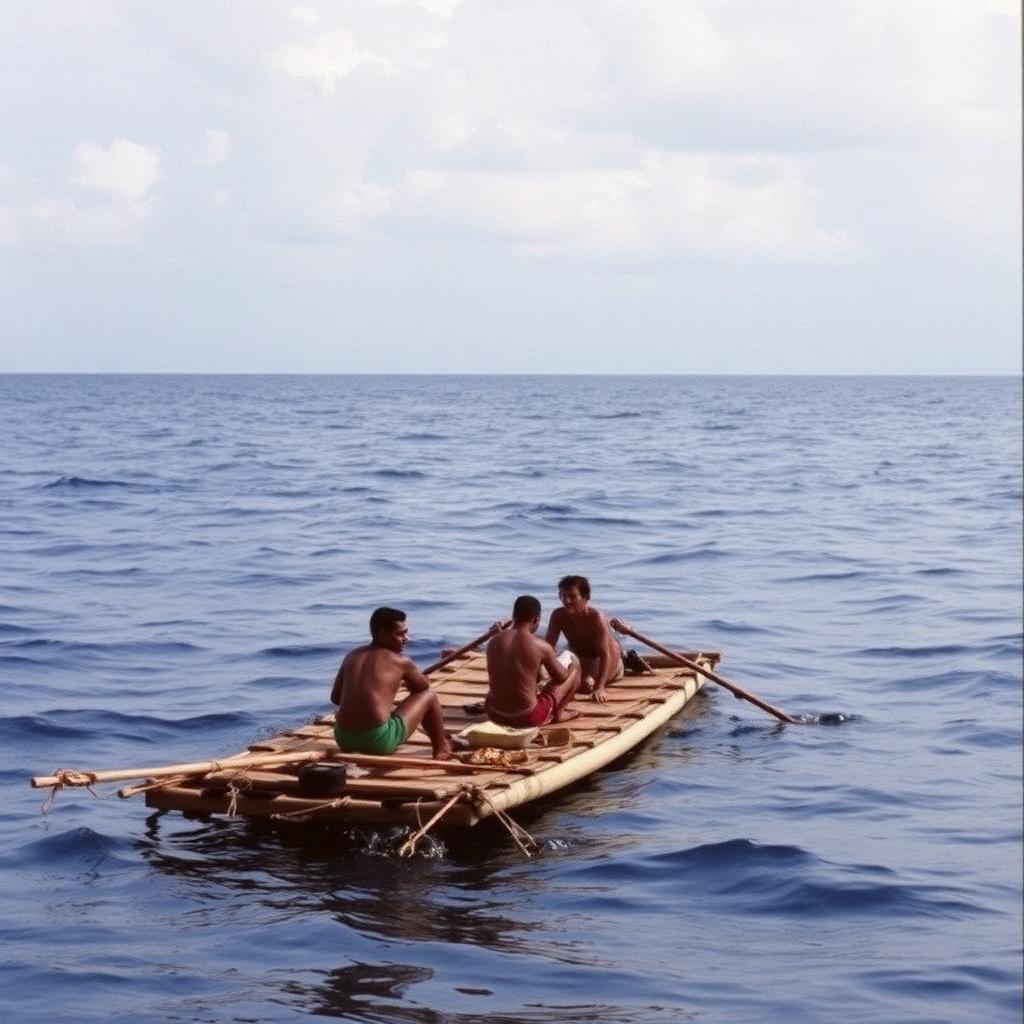 1994
1994Tens of thousands of Cubans flee by raft during a summer of economic collapse. Inspite of the U.S. Coast Guard rescuing thousands of rafters, many drowned at sea prompting the US - Cuba migration accord. *Cuba: A Chronological History, p. 348
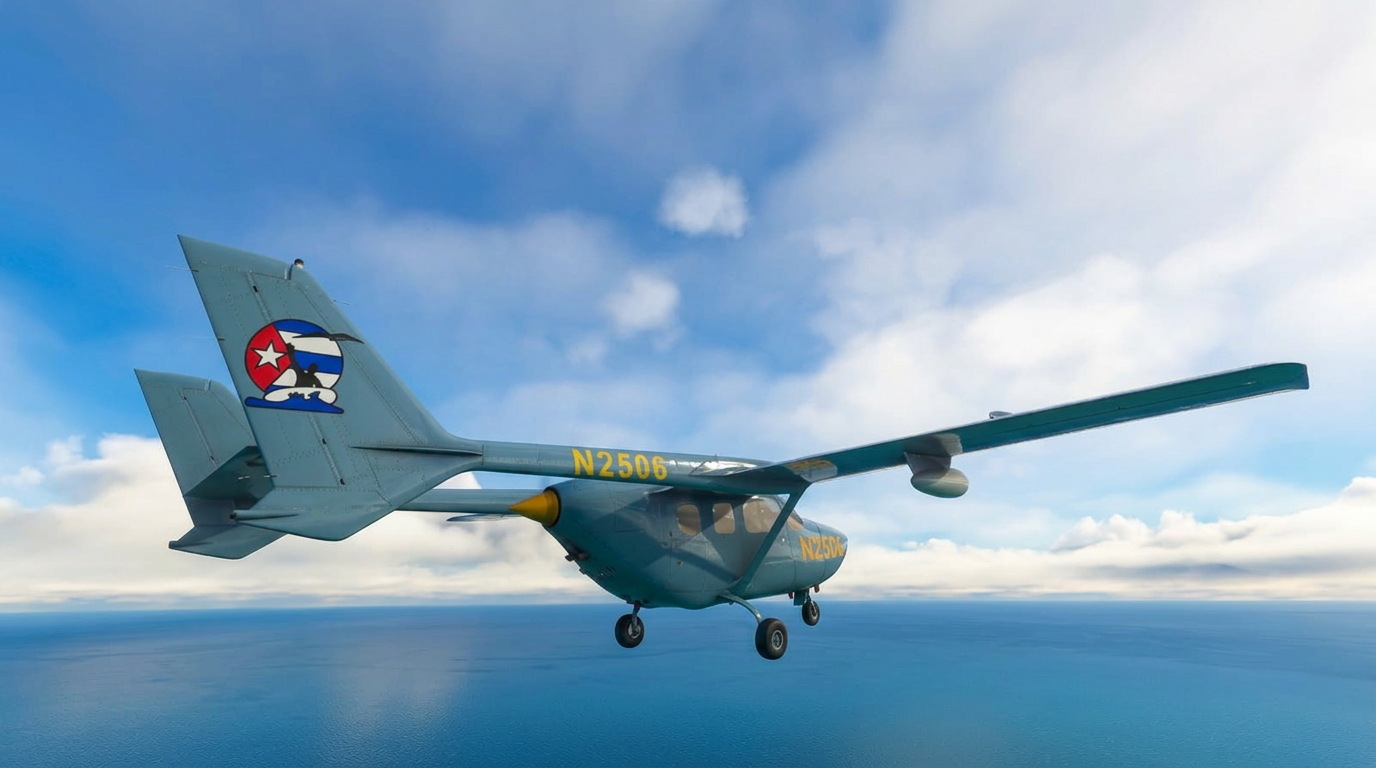 1996
1996Two civilian aircraft operated by the humanitarian group are shot down by Cuban MiGs in international airspace, killing four pilots. *Cuba: A Chronological History p. 351
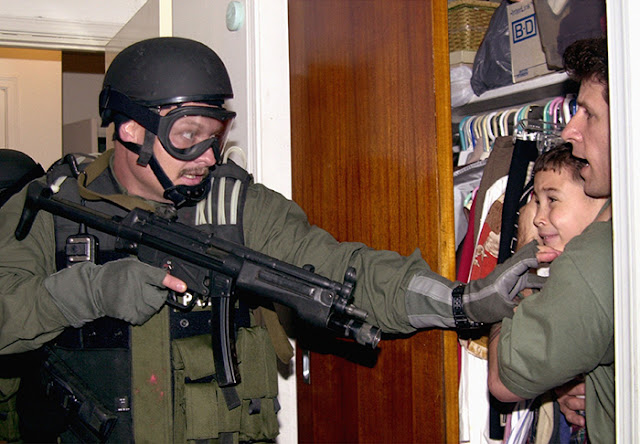 1999–2000
The custody battle over a six-year-old Cuban survivor of a rafting tragedy becomes an international flashpoint over freedom, family, and exile. *Cuba: A Chronological History, p. 357
 1995–2017
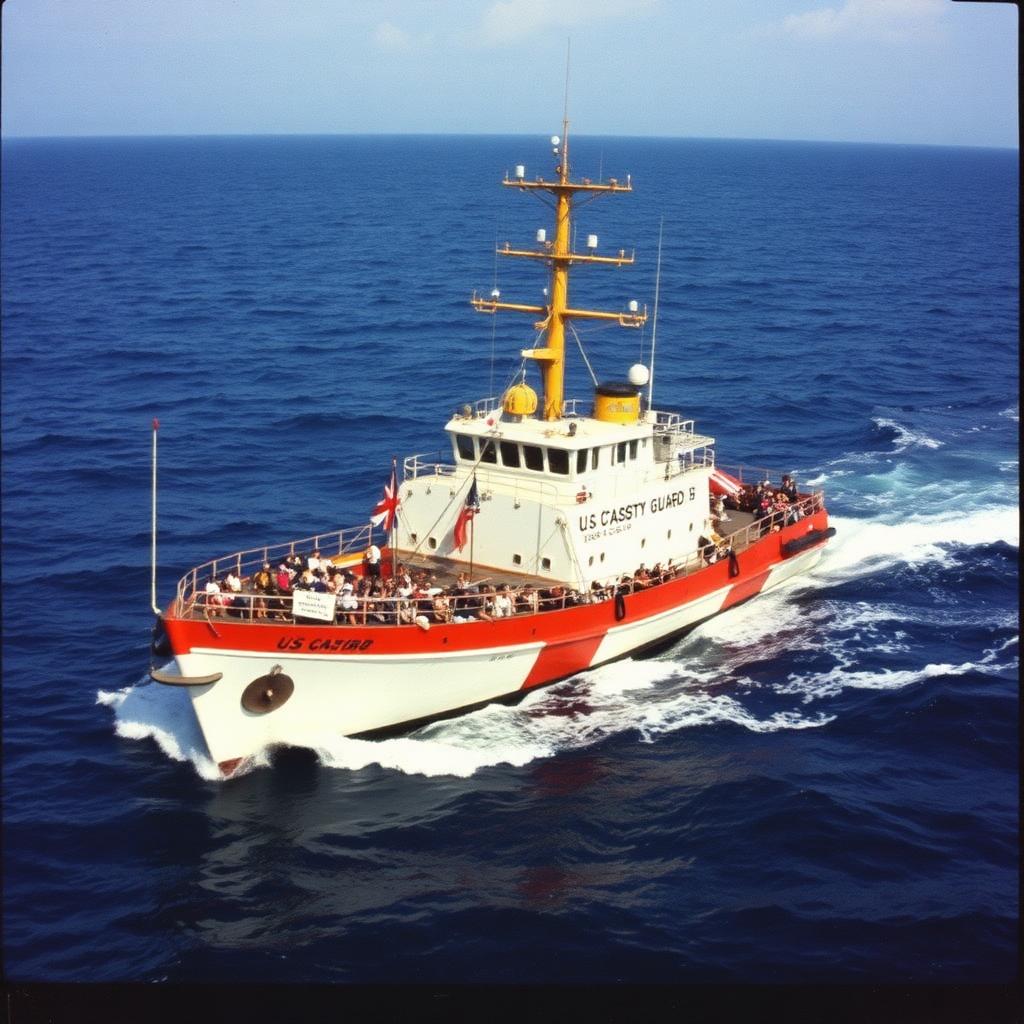
U.S. policy granting protection to Cubans who reached land while returning those intercepted at sea — repealed in the final days of the Obama administration. *Cuba: A Chronological History, p. 349
 2017–2025
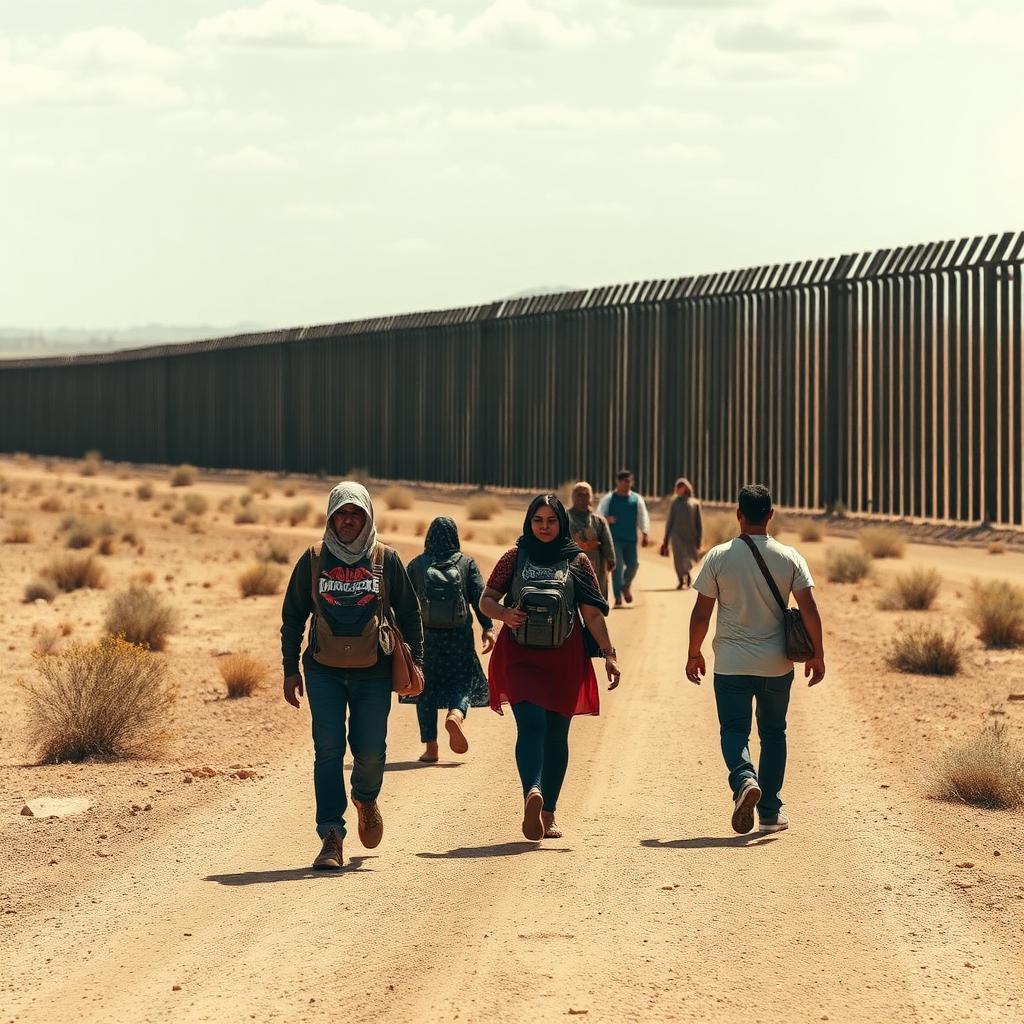
A new wave of Cuban migration, estimated to be 500,000 to 800,000 people, arrives through the southern U.S. border, reflecting deepening crisis on the island.
 2007–2025
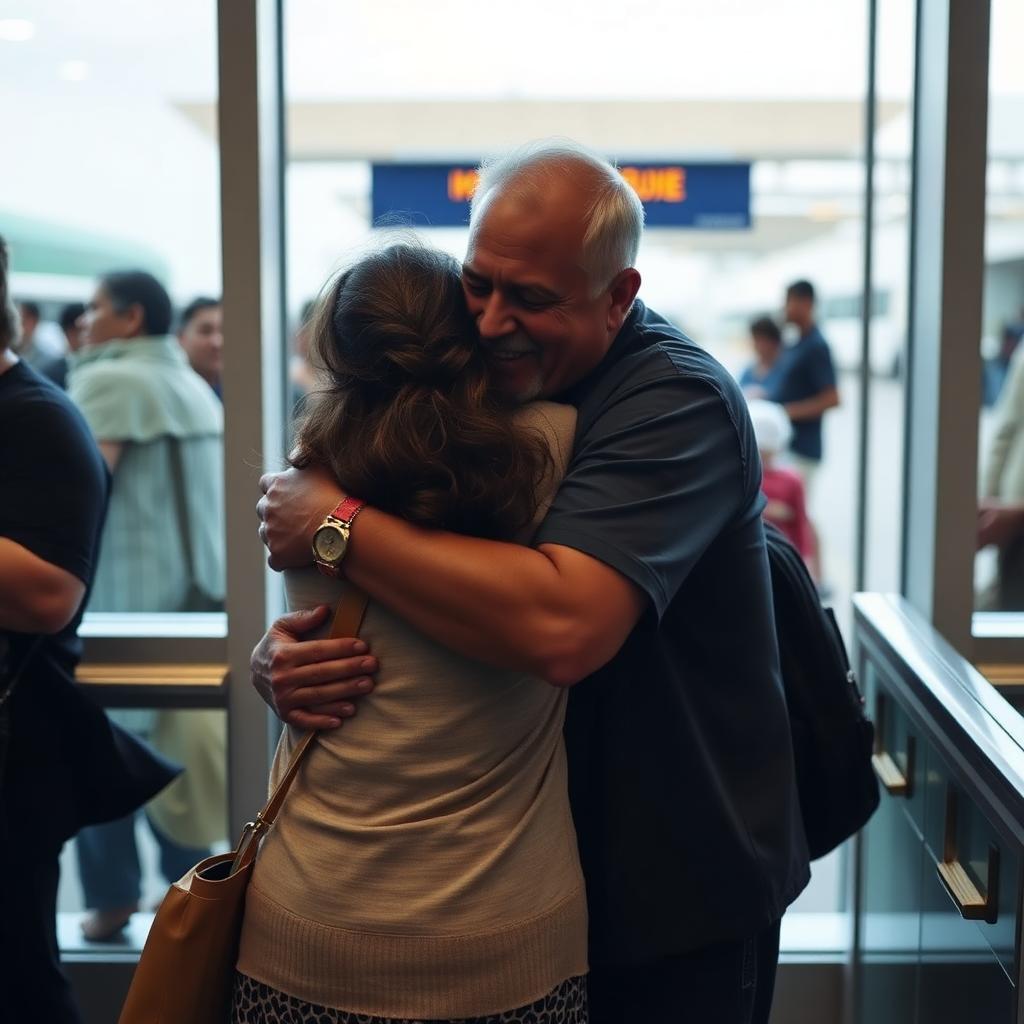
A program enabling U.S. citizens and permanent residents to reunite with eligible family members in Cuba. This program ended December 15, 2025, practically ending Cuban migration to the United States.

FACE launches its Oral History Project to preserve the testimonies that define the Cuban exile and Cuban American experience for future generations. Thank you to the Knight Foundation for their generous support.

*SOURCES: CUBA: CHRONOLOGICAL HISTORY BY SAM VERDEJA AND LEONARDO RODRIGUEZ, PUBLISED BY FACE, 2011. CUBANS: AN EPIC JOURNEY BY SAM VERDEJA AND GUILLERMO MARTINEZ, PUBLISHED BY FACE, 2024.