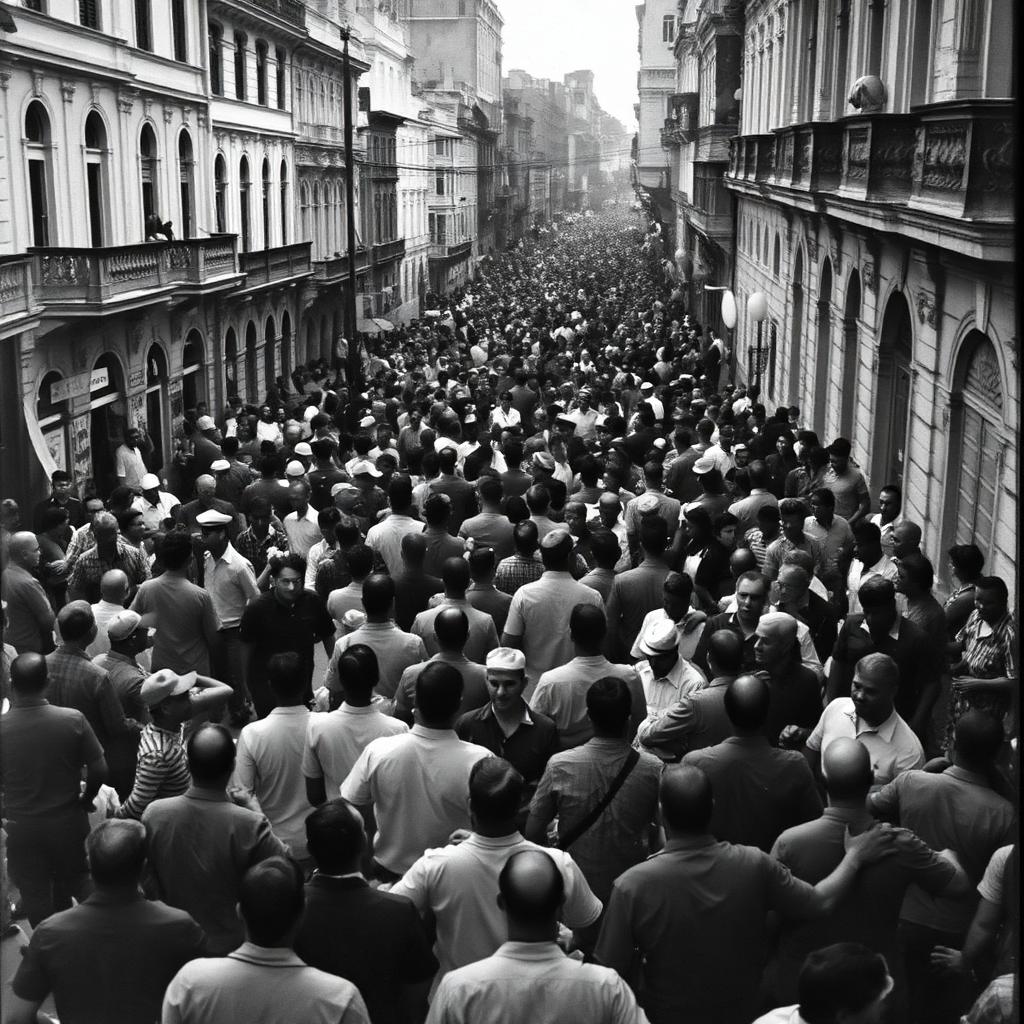
Castro Takeover
Batista is forced to leave Cuba paving the way for Fidel Castro's forces to enter Havana. Castro promises elections and then reneges on the promises. Within months, the revolution's authoritarian turn drives the first wave of exiles.
Since its founding in 1982, FACE has remained dedicated to honoring, preserving, and elevating the story of the Cuban exile community and the generations that followed. Our mission is to defend and promote an accurate, positive, and dignified image of Cuban exiles, Cuban Americans, and today’s American-Cuban generation, recognizing the countless contributions our community has made to the cultural, civic, business, and social fabric of the United States.

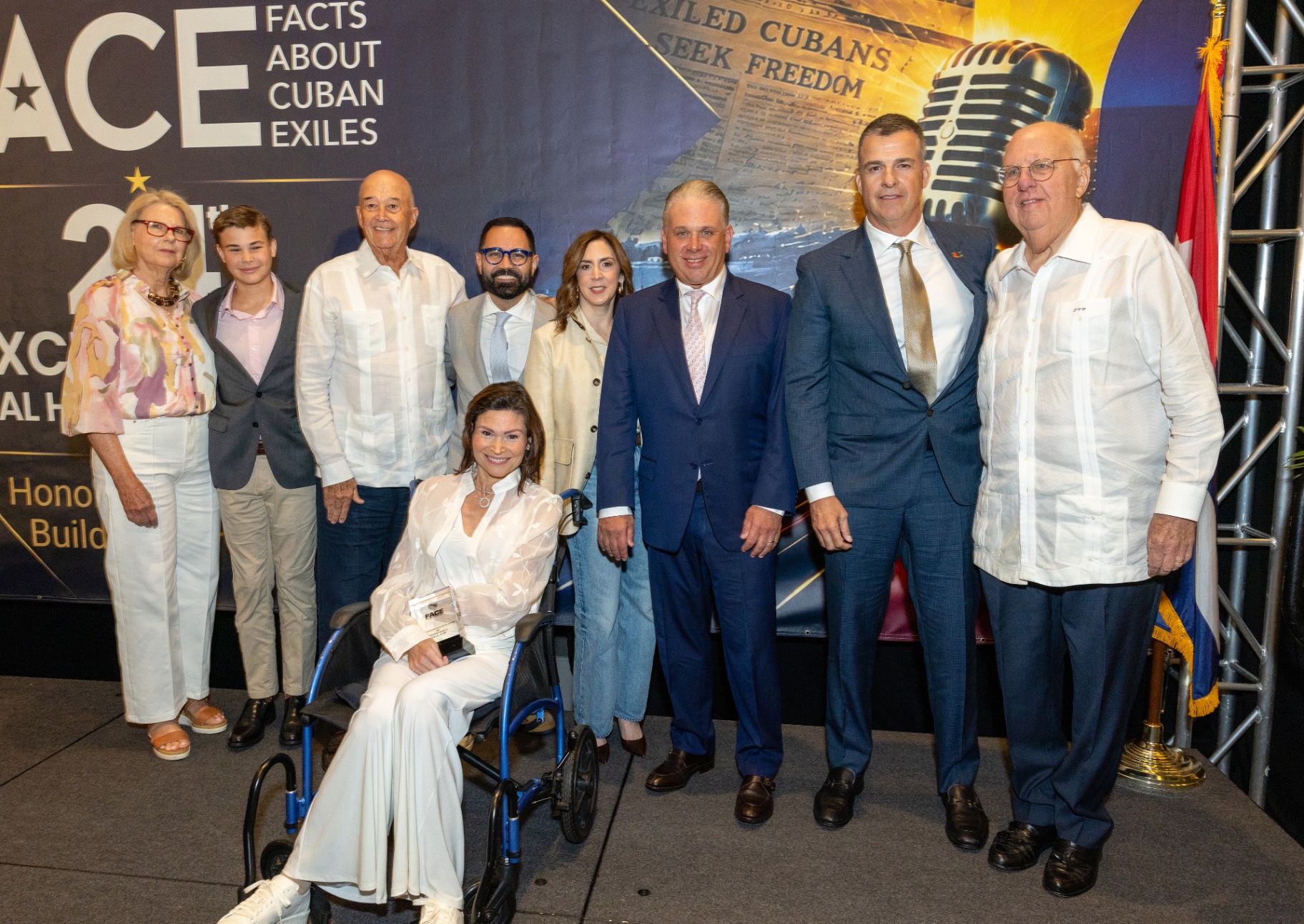
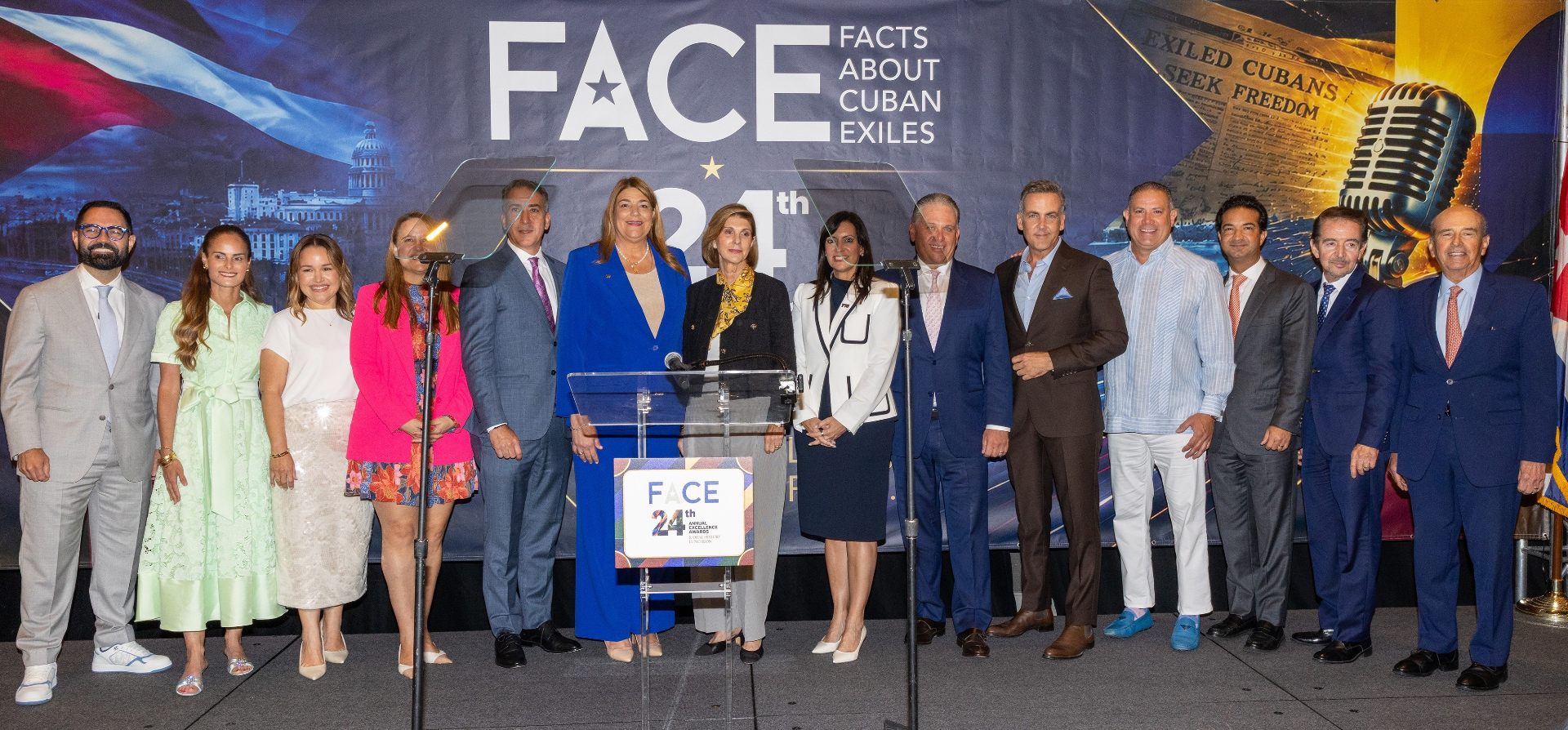
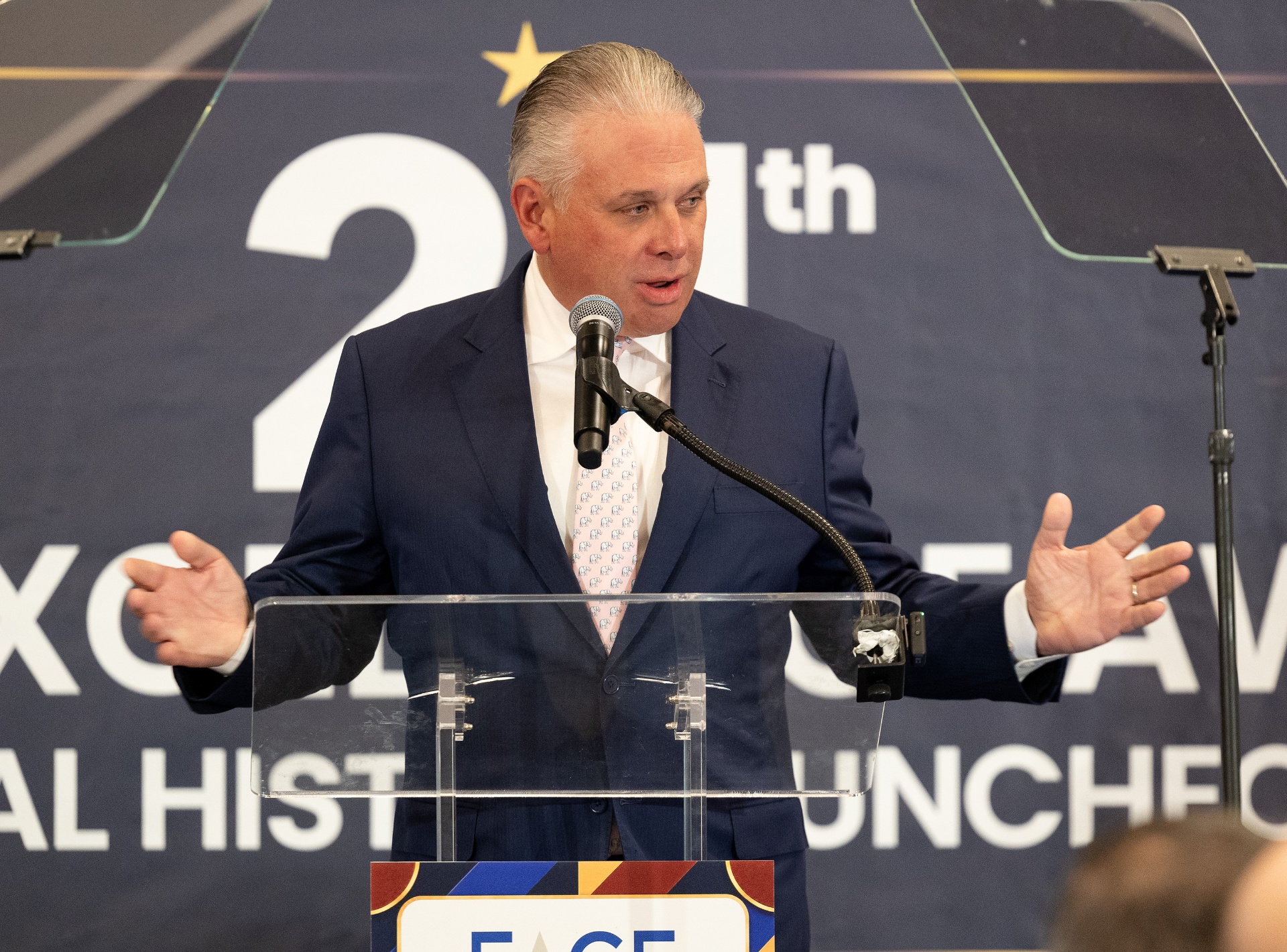
2026 Excellence Award & Oral History Luncheon
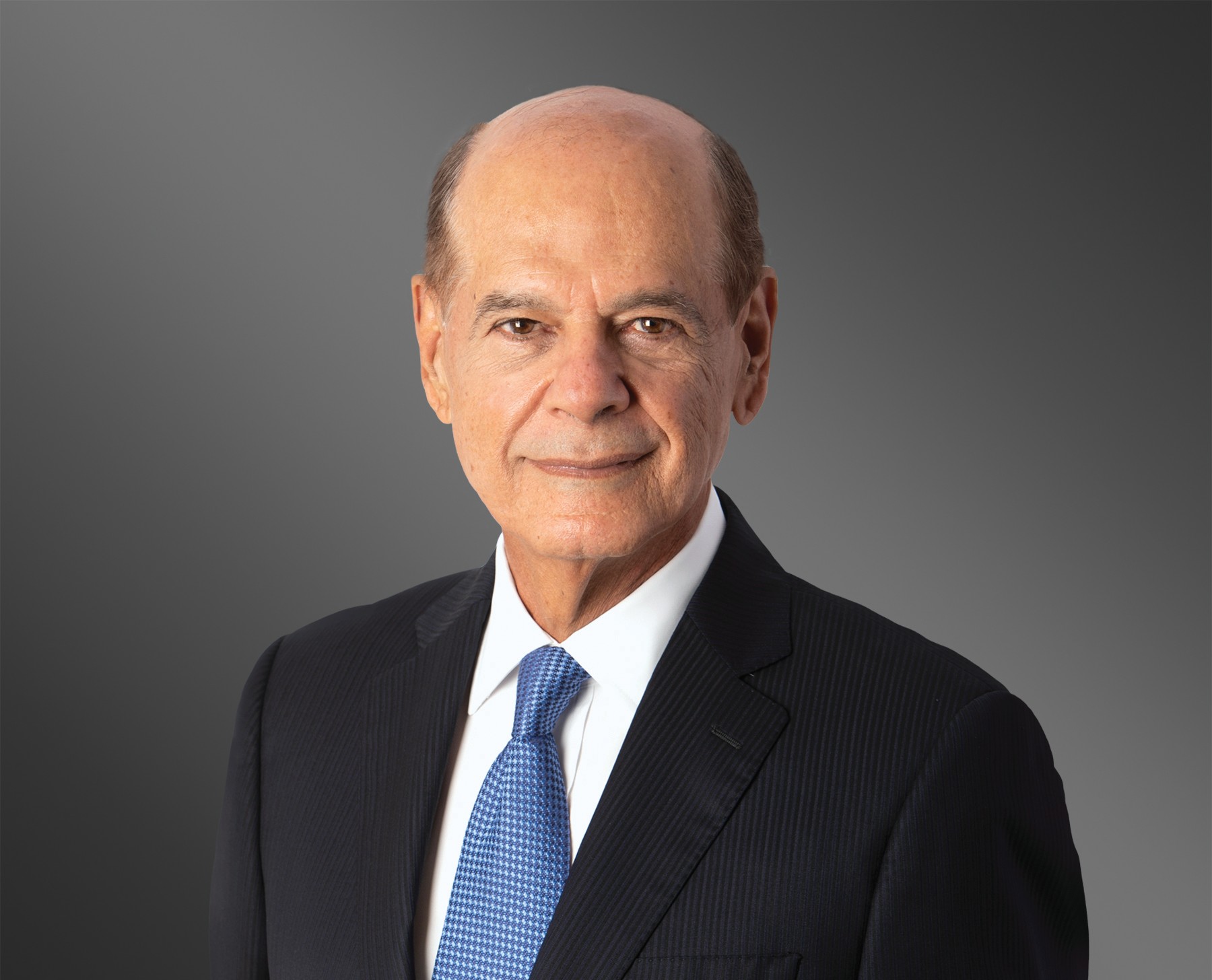
"Leadership is the practice of paying forward what was sacrificed for us."
FACE Chairman Nelson Albareda
Since 1982, FACE has brought together leaders, preserved important stories, recognized achievement, and strengthened understanding of the Cuban exile experience.
Years of Advocacy
Since 1982
Oral Histories Preserved
Capturing the voices and experiences of Cuban exiles and Cuban Americans
Community Leaders Honored
Through 24 years of Excellence Awards
Years of Excellence Awards
Recognizing achievement and leadership across generations
Explore the defining moments of the Cuban exile experience and discover how FACE has preserved these stories since 1982.
Batista is forced to leave Cuba paving the way for Fidel Castro's forces to enter Havana. Castro promises elections and then reneges on the promises. Within months, the revolution's authoritarian turn drives the first wave of exiles.
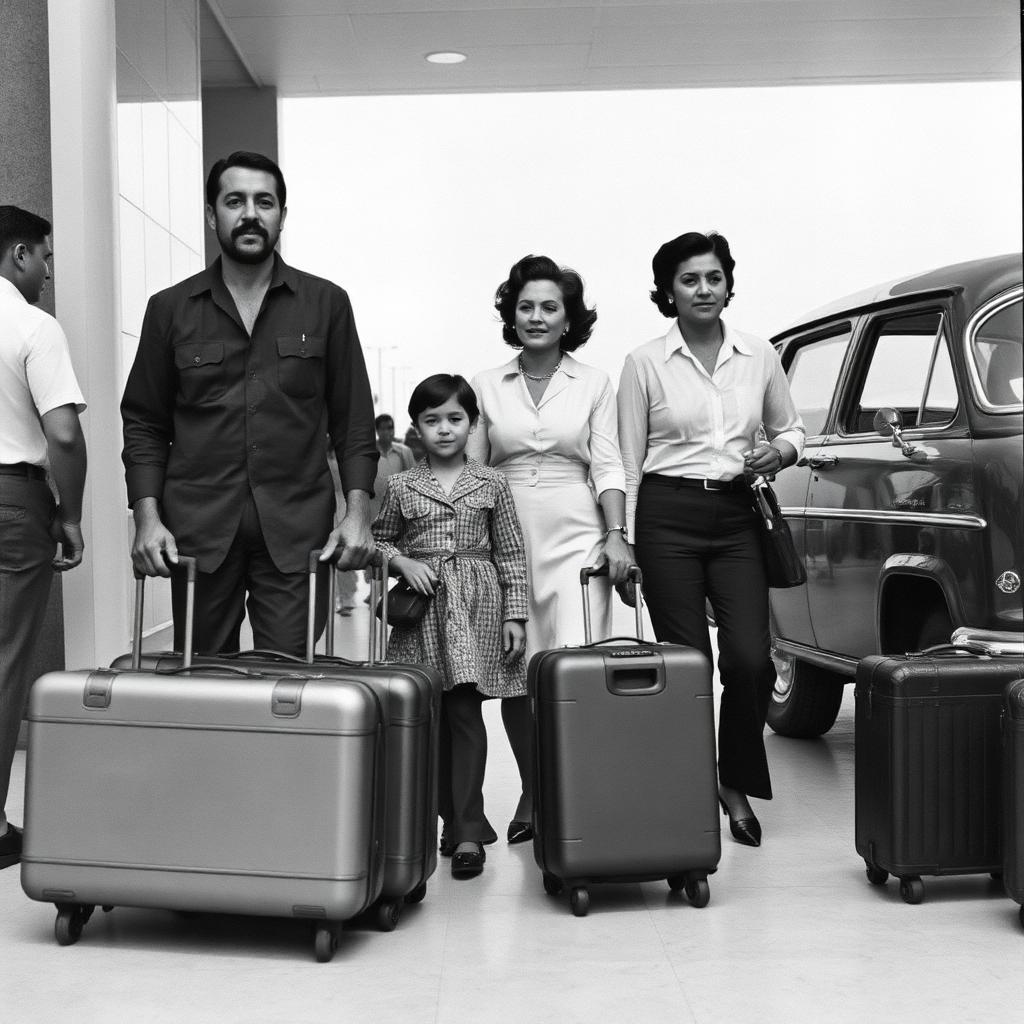
Professionals, business owners, and political dissidents flee the new regime, settling primarily in South Florida and the Northeast. *Cubans: An Epic Journey, Chapter 3
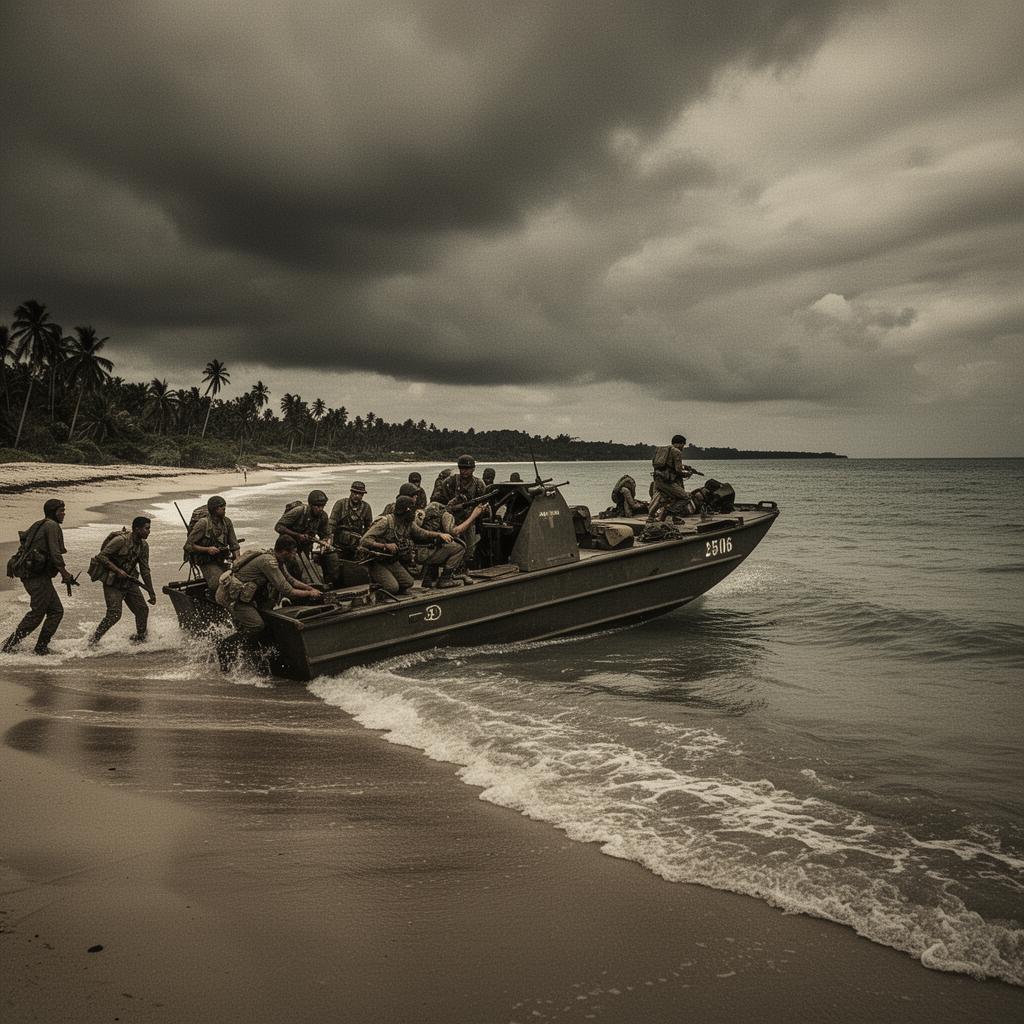
Brigade 2506, made up of Cuban exiles trained by the CIA, lands at Playa Girón. The promise of U.S. air cover is reneged causing the effort to topple the Castro region to fail. *Cubans: An Epic Journey, Chapters 3-7
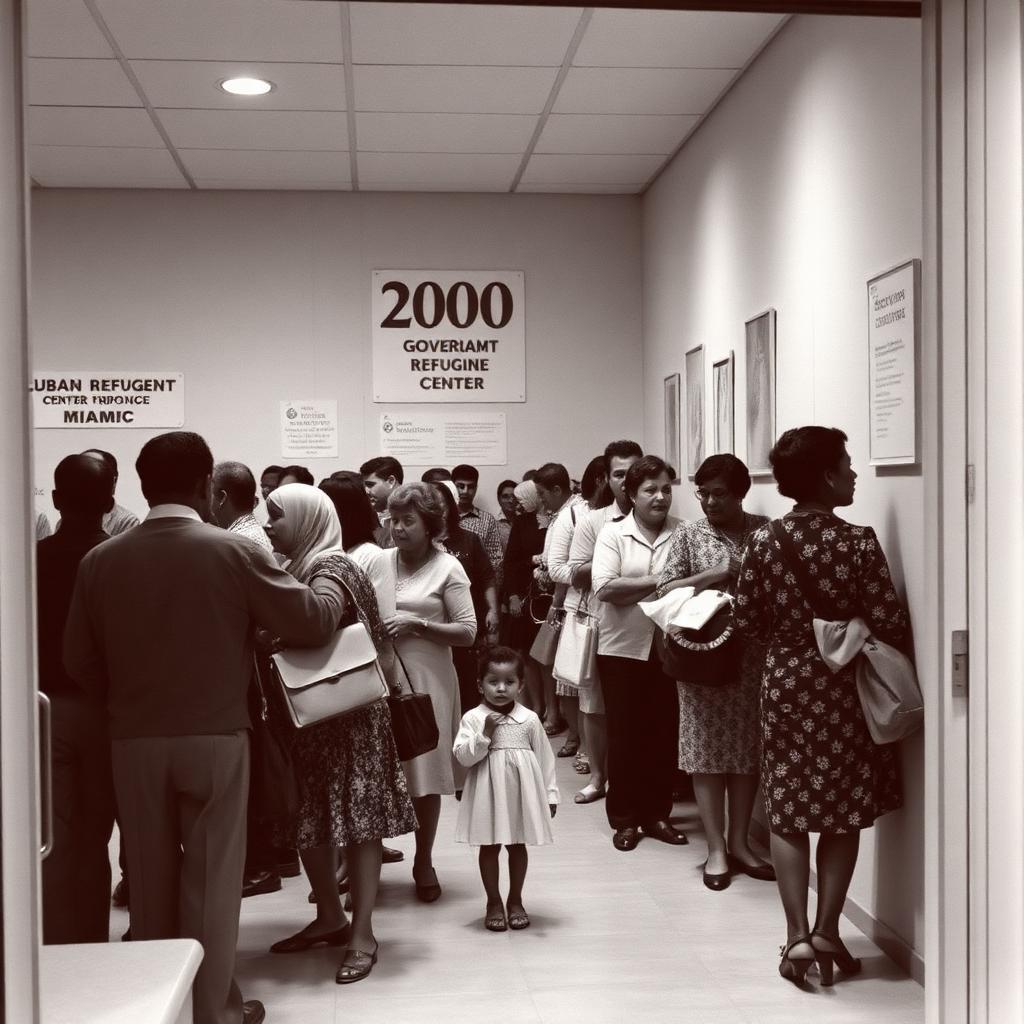
Created in 1961 to assist Cubans fleeing the Castro regime, this federal program provided healthcare, employment aid, and financial support to over 443,000 refugees through the Cuban Refugee Center located in the Freedom Tower in Miami, FL.
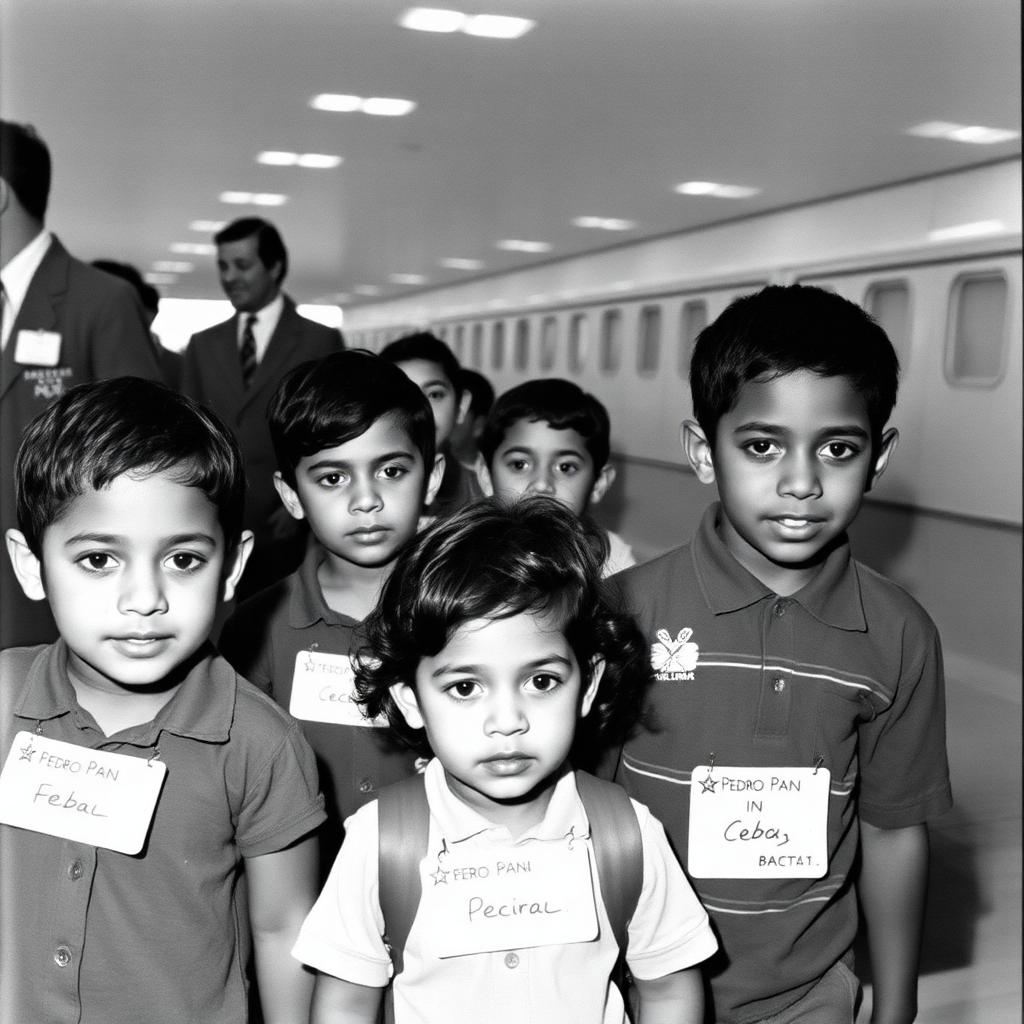
Driven by fear that the government would claim authority over their children’s rights, Cuban parents sent more than 14,000 minors to the United States alone — the largest exodus of unaccompanied children in Western Hemisphere history. *Cubans: An Epic Journey, Chapter 4
The thirteen-day standoff over Soviet nuclear missiles in Cuba brings the world to the brink of nuclear war. The crisis ends with the Soviet Union promising to remove missiles from Cuba and the U.S. promising not to invade Cuba. *Cubans: An Epic Journey, Chapter 8
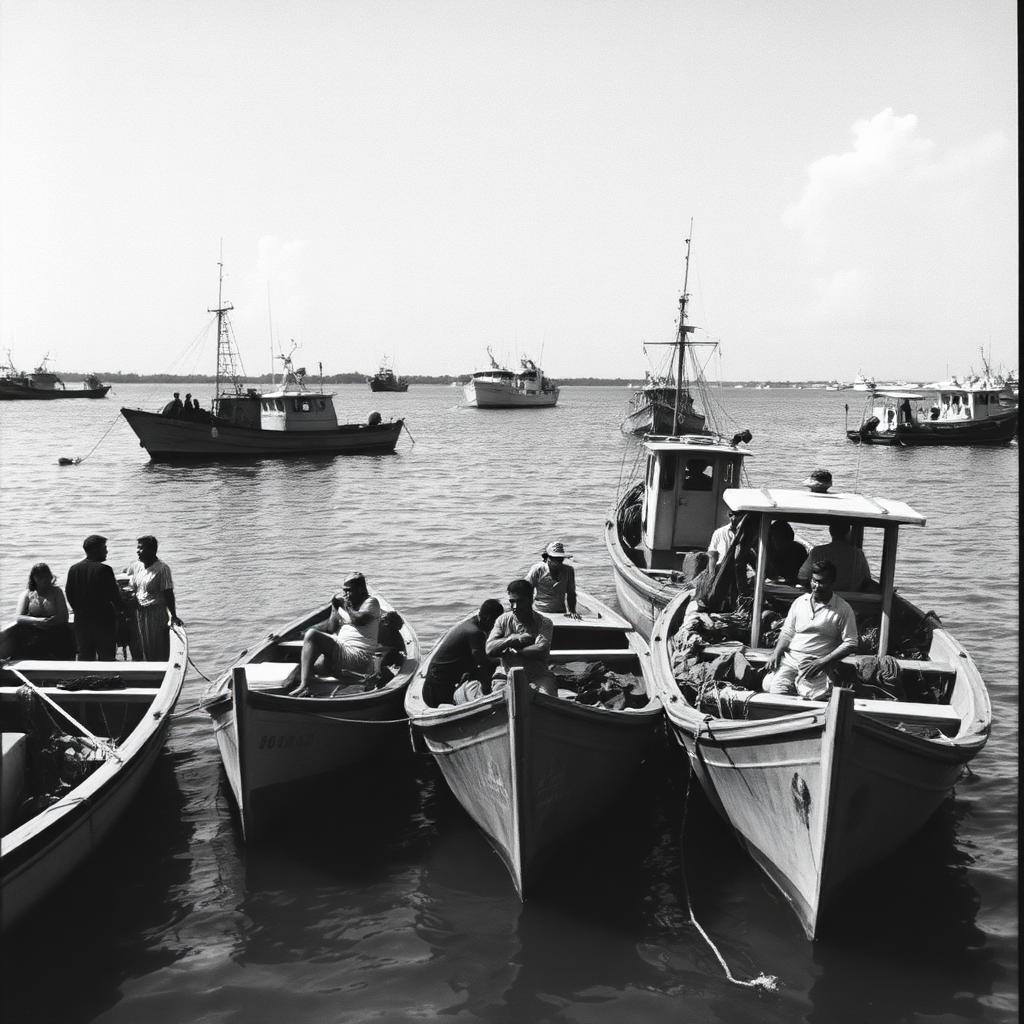
Cuba briefly opens the port of Camarioca, prompting a small boatlift that pressured both governments toward a more organized migration program. *Cuba: A Chronological History, p. 291
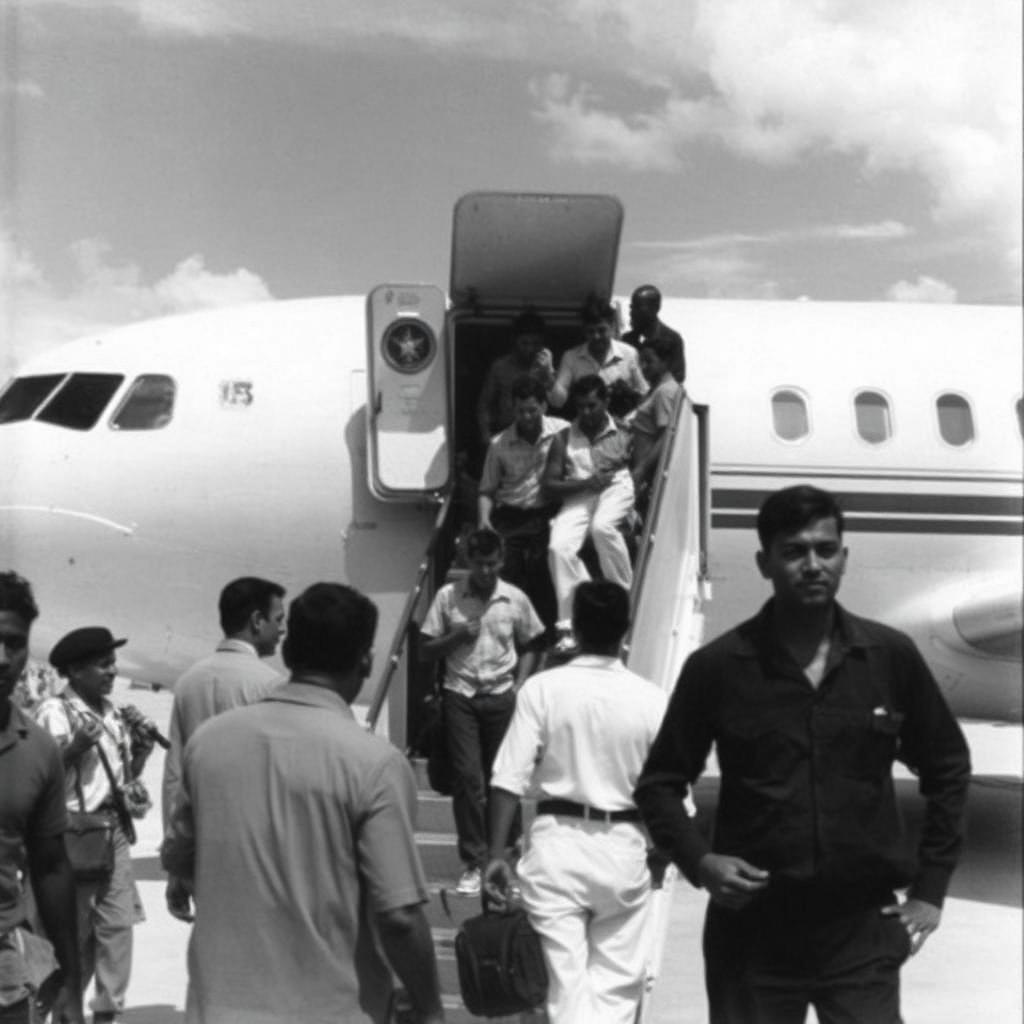
Twice-daily flights between Varadero and Miami bring more than 260,000 Cubans to the United States — one of the largest airborne refugee operations in history. *Cuba: A Chronological History, p. 291
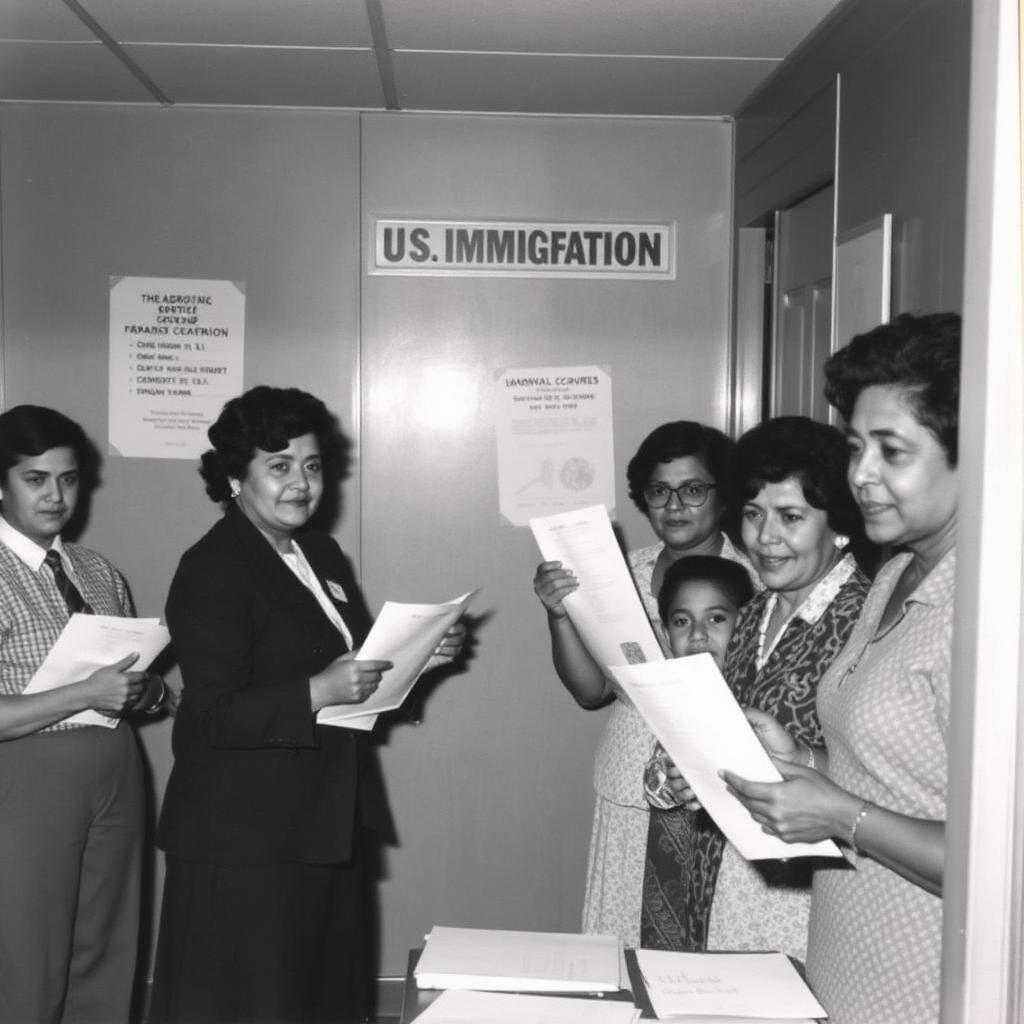
U.S. law granting Cuban nationals a streamlined path to permanent residency, recognizing the unique nature of the Cuban exile experience. *Cuba: A Chronological History, p. 293
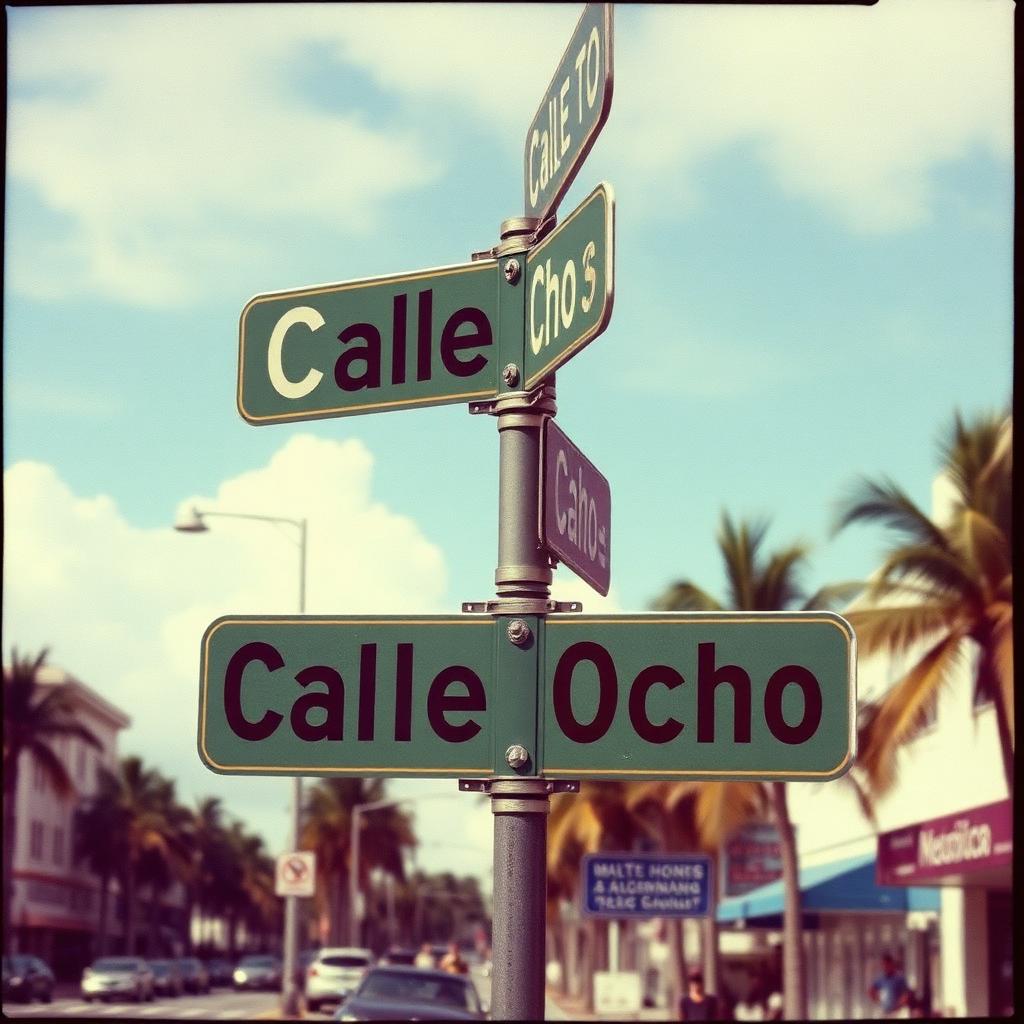
Miami-Dade declares itself officially bilingual and bicultural, recognizing the rapid transformation of South Florida by Cuban exiles.
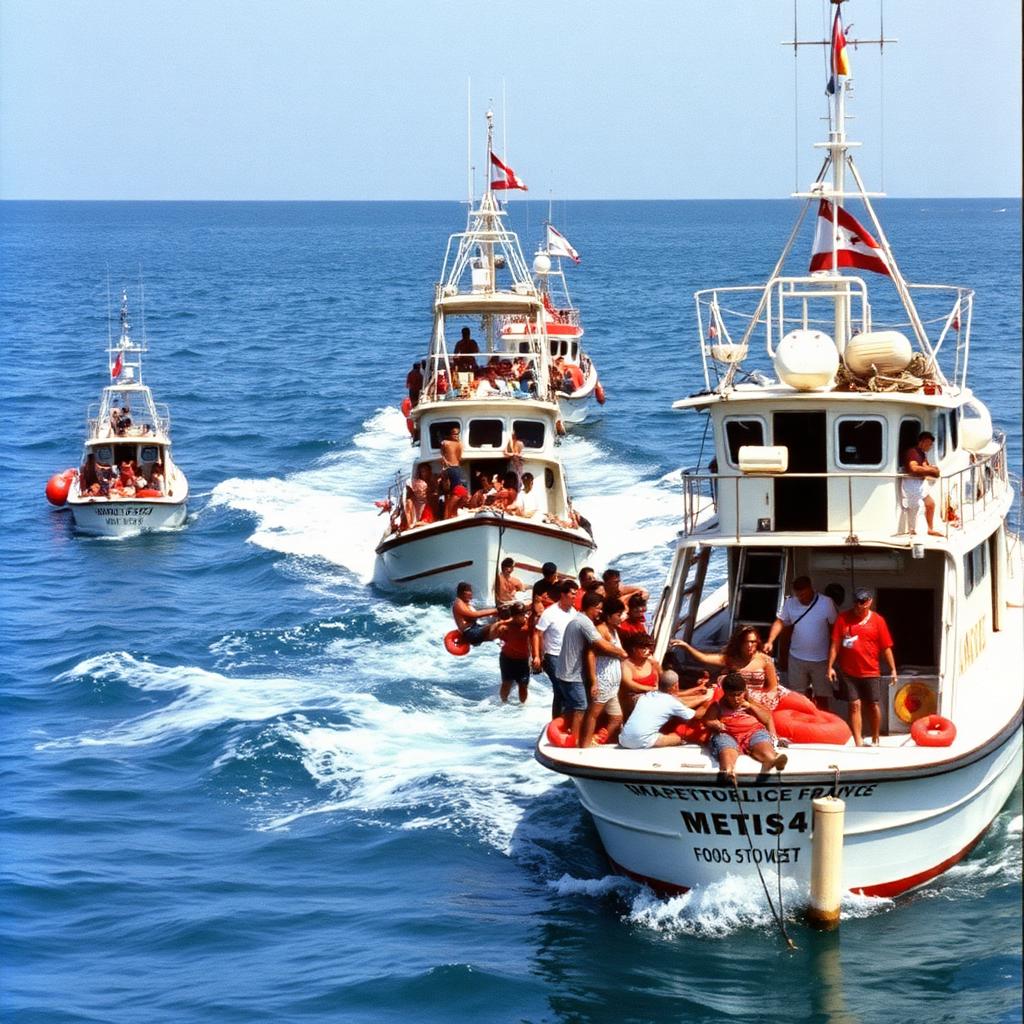
Roughly 125,000 Cubans arrive in South Florida over six months after Castro opens the port of Mariel, reshaping Miami's demographics and economy. *Cubans: An Epic Journey, Chapter 10
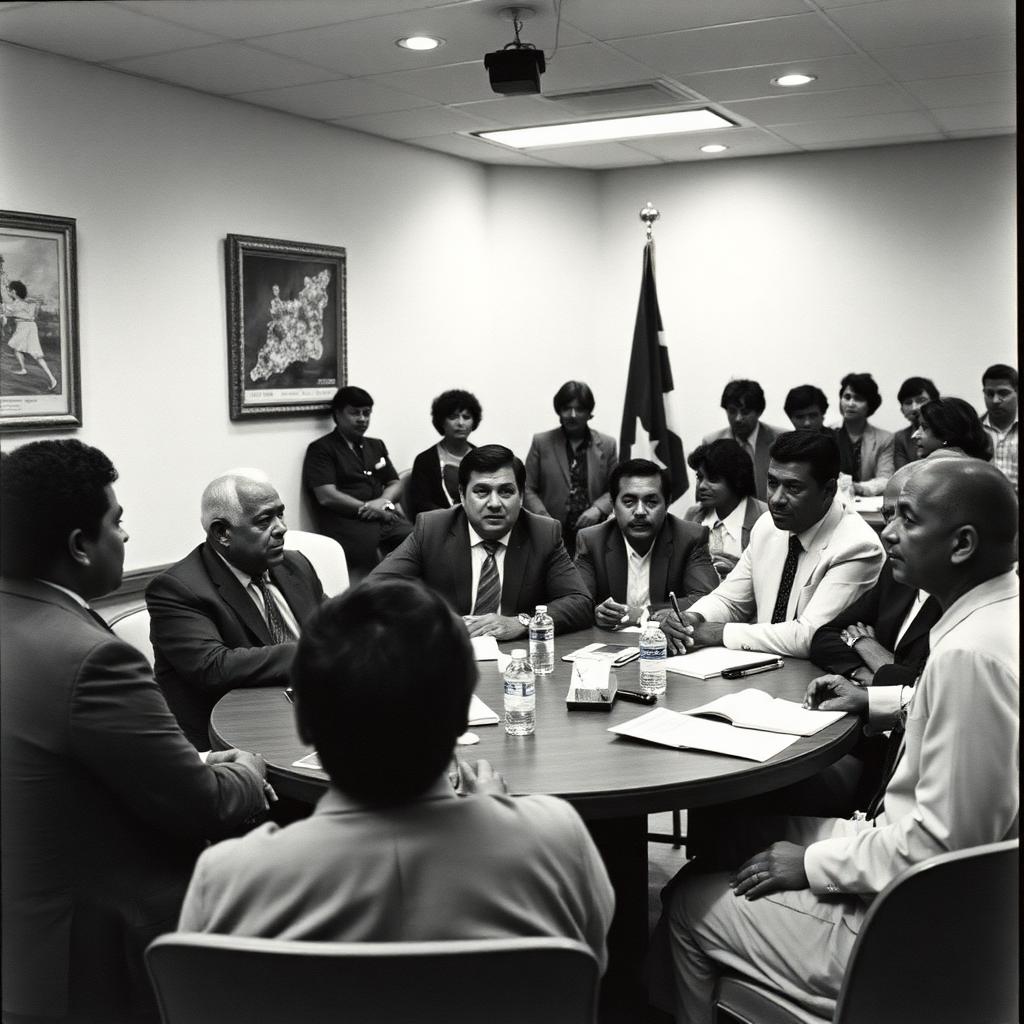
Spanish American League Against Discrimination is established to defend the civil rights and image of Cuban and Hispanic communities in the United States.
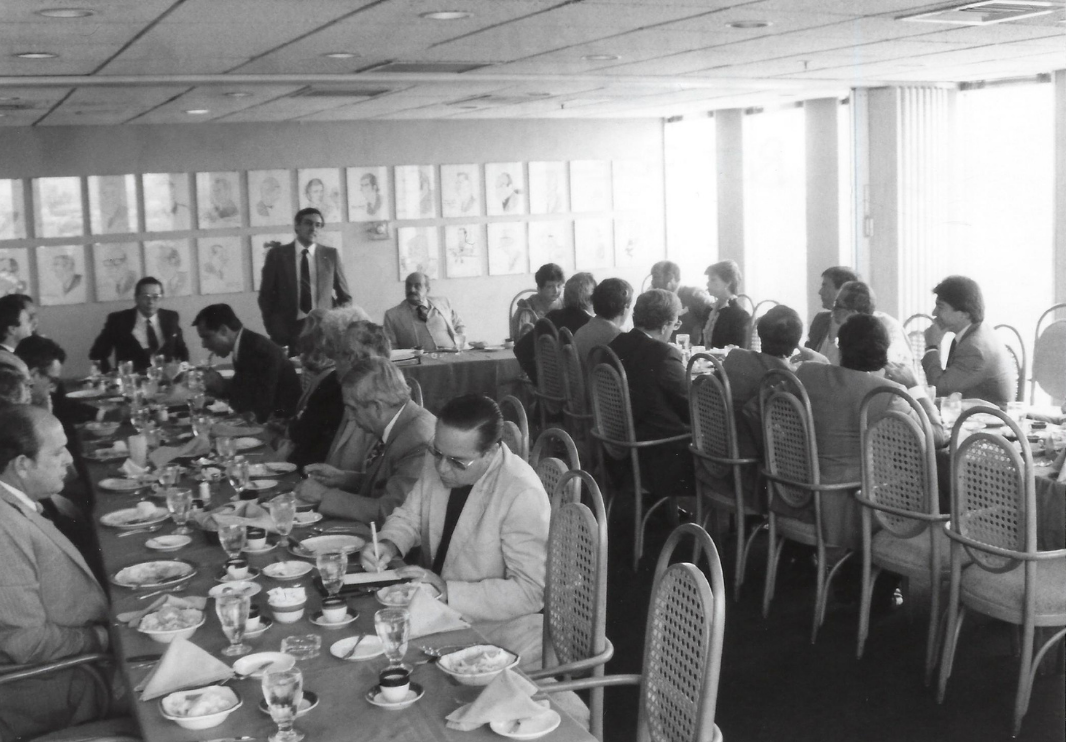
Facts About Cuban Exiles is created to defend, preserve, promote, and celebrate the Cuban exile story — countering misrepresentation and elevating Cuban-American achievement.
FACE had a major role in the creation of this event, that brought together Cuban artists, writers, and musicians to celebrate their heritage, helping Cuban artists to reestablish their artistic careers in the United States.
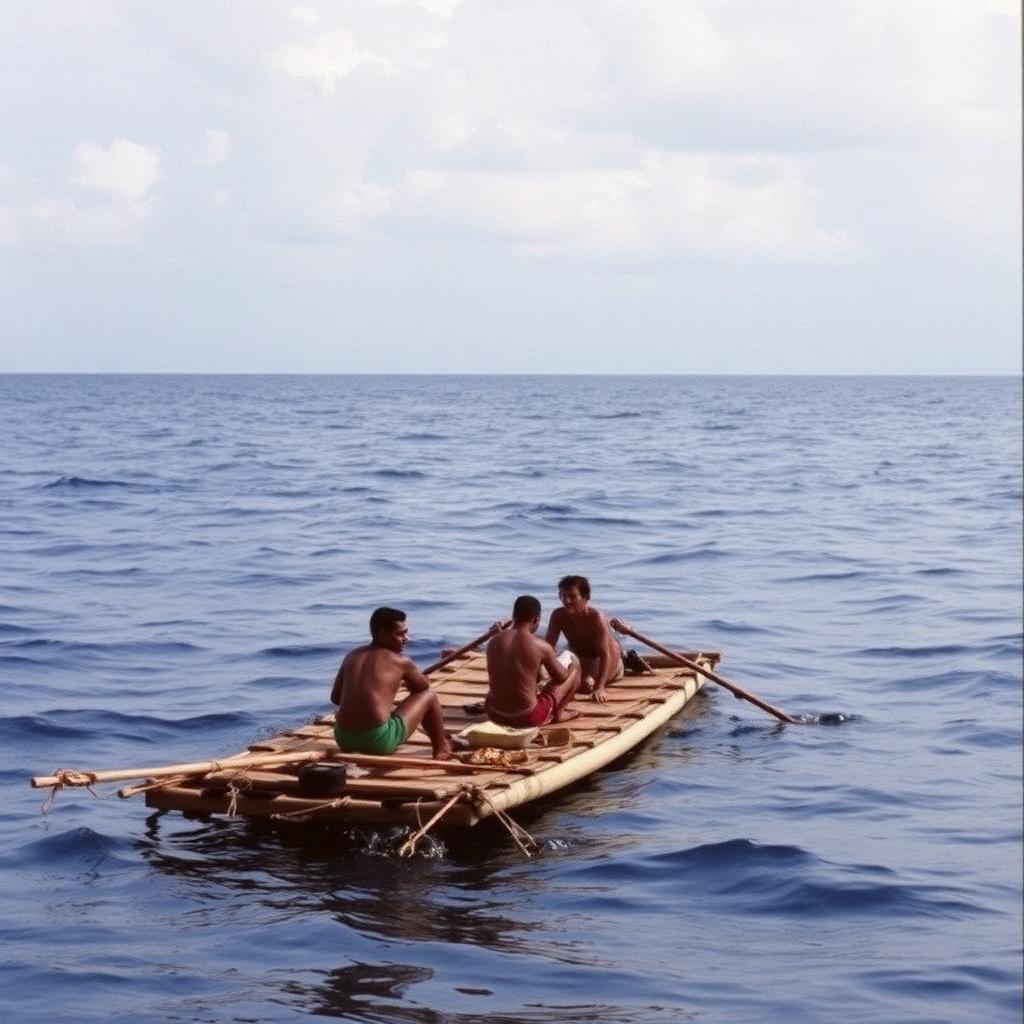
Tens of thousands of Cubans flee by raft during a summer of economic collapse. Inspite of the U.S. Coast Guard rescuing thousands of rafters, many drowned at sea prompting the US - Cuba migration accord. *Cuba: A Chronological History, p. 348

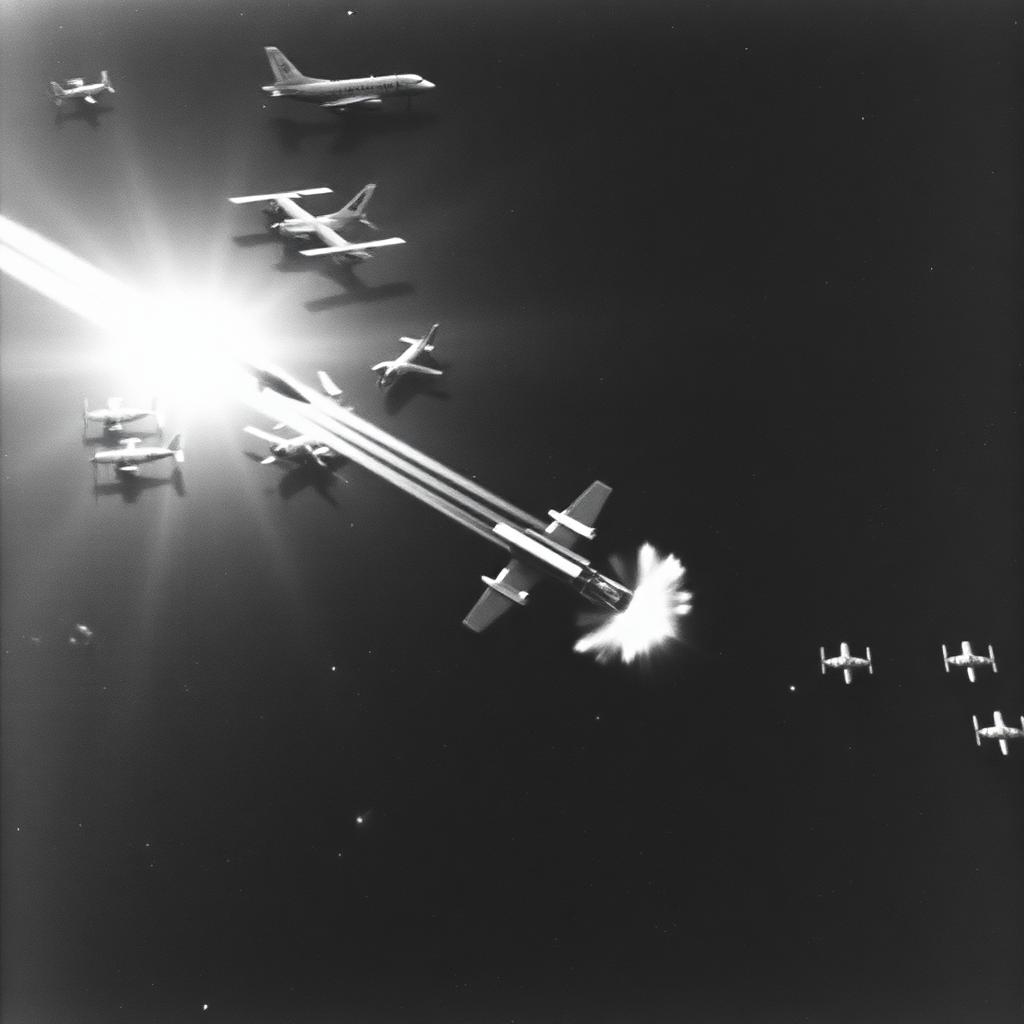
Two civilian aircraft operated by the humanitarian group are shot down by Cuban MiGs in international airspace, killing four pilots. *Cuba: A Chronological History p. 351
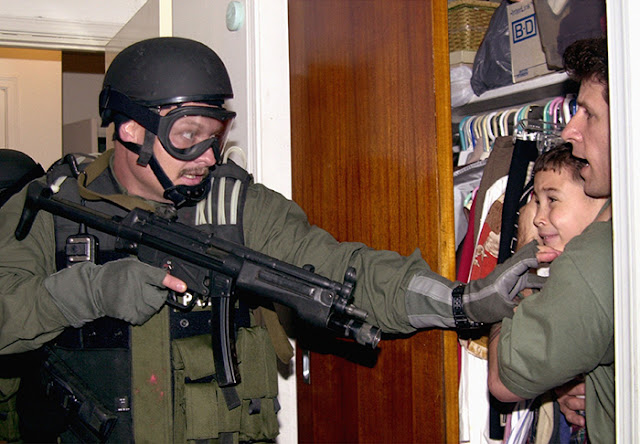
The custody battle over a six-year-old Cuban survivor of a rafting tragedy becomes an international flashpoint over freedom, family, and exile. *Cuba: A Chronological History, p. 357
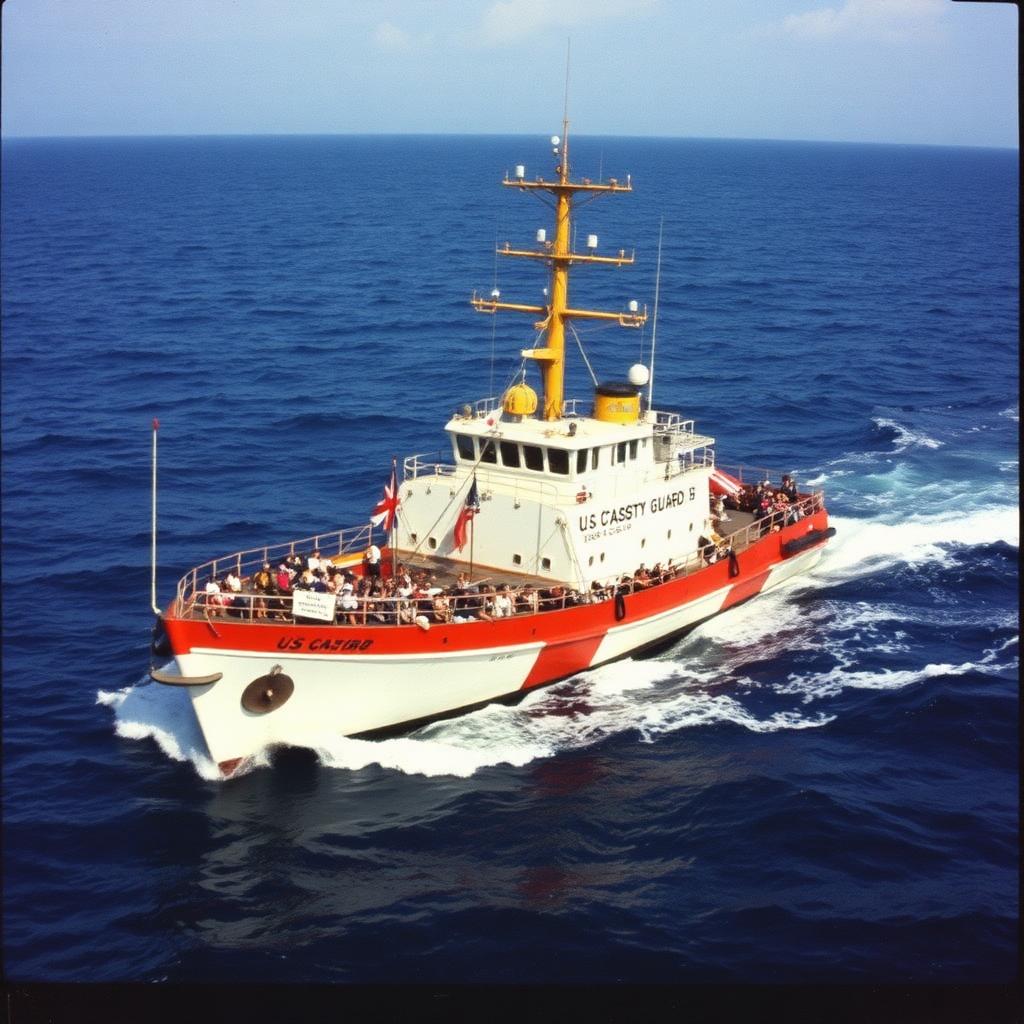
U.S. policy granting protection to Cubans who reached land while returning those intercepted at sea — repealed in the final days of the Obama administration. *Cuba: A Chronological History, p. 349
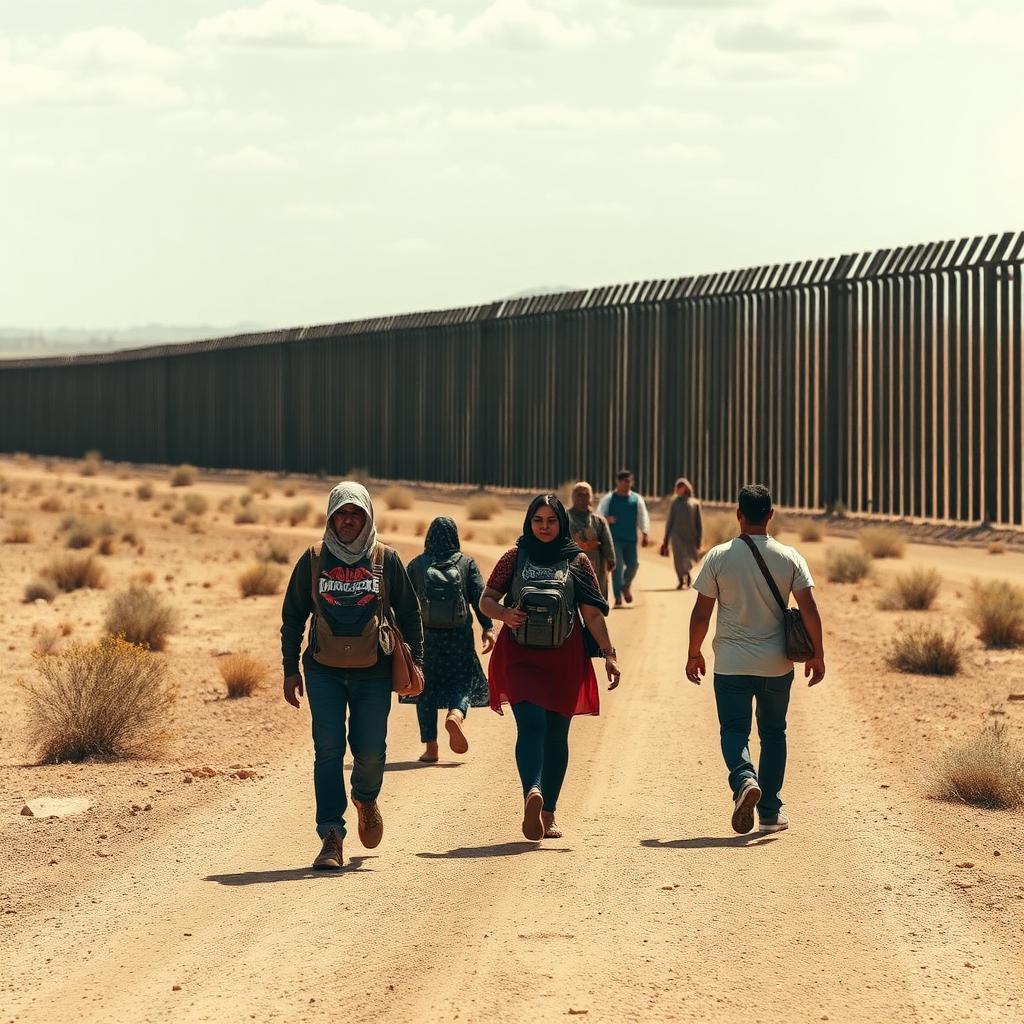
A new wave of Cuban migration, estimated to be 500,000 to 800,000 people, arrive through the southern U.S. border, reflecting deepening crisis on the island.
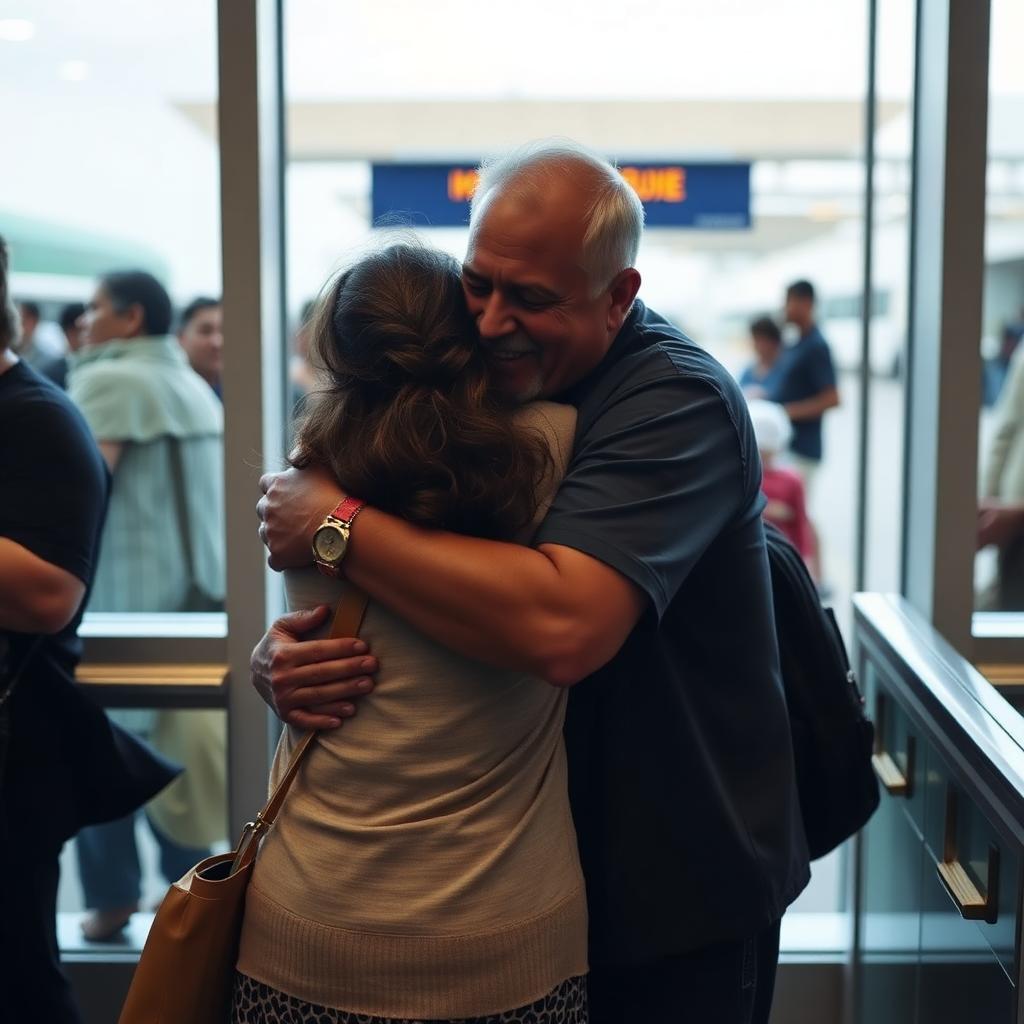
A program enabling U.S. citizens and permanent residents to reunite with eligible family members in Cuba. This program ended December 15, 2025, practically ending Cuban migration to the United States.
Batista is forced to leave Cuba paving the way for Fidel Castro's forces to enter Havana. Castro promises elections and then reneges on the promises. Within months, the revolution's authoritarian turn drives the first wave of exiles.
Professionals, business owners, and political dissidents flee the new regime, settling primarily in South Florida and the Northeast. *Cubans: An Epic Journey, Chapter 3
Brigade 2506, made up of Cuban exiles trained by the CIA, lands at Playa Girón. The promise of U.S. air cover is reneged causing the effort to topple the Castro region to fail. *Cubans: An Epic Journey, Chapters 3-7
Created in 1961 to assist Cubans fleeing the Castro regime, this federal program provided healthcare, employment aid, and financial support to over 443,000 refugees through the Cuban Refugee Center located in the Freedom Tower in Miami, FL.
Driven by fear that the government would claim authority over their children’s rights, Cuban parents sent more than 14,000 minors to the United States alone — the largest exodus of unaccompanied children in Western Hemisphere history. *Cubans: An Epic Journey, Chapter 4
The thirteen-day standoff over Soviet nuclear missiles in Cuba brings the world to the brink of nuclear war. The crisis ends with the Soviet Union promising to remove missiles from Cuba and the U.S. promising not to invade Cuba. *Cubans: An Epic Journey, Chapter 8
Cuba briefly opens the port of Camarioca, prompting a small boatlift that pressured both governments toward a more organized migration program. *Cuba: A Chronological History, p. 291
Twice-daily flights between Varadero and Miami bring more than 260,000 Cubans to the United States — one of the largest airborne refugee operations in history. *Cuba: A Chronological History, p. 291
U.S. law granting Cuban nationals a streamlined path to permanent residency, recognizing the unique nature of the Cuban exile experience. *Cuba: A Chronological History, p. 293
Miami-Dade declares itself officially bilingual and bicultural, recognizing the rapid transformation of South Florida by Cuban exiles.
Roughly 125,000 Cubans arrive in South Florida over six months after Castro opens the port of Mariel, reshaping Miami's demographics and economy. *Cubans: An Epic Journey, Chapter 10
Spanish American League Against Discrimination is established to defend the civil rights and image of Cuban and Hispanic communities in the United States.
Facts About Cuban Exiles is created to defend, preserve, promote, and celebrate the Cuban exile story — countering misrepresentation and elevating Cuban-American achievement.
FACE had a major role in the creation of this event, that brought together Cuban artists, writers, and musicians to celebrate their heritage, helping Cuban artists to reestablish their artistic careers in the United States.
Tens of thousands of Cubans flee by raft during a summer of economic collapse. Inspite of the U.S. Coast Guard rescuing thousands of rafters, many drowned at sea prompting the US - Cuba migration accord. *Cuba: A Chronological History, p. 348
Two civilian aircraft operated by the humanitarian group are shot down by Cuban MiGs in international airspace, killing four pilots. *Cuba: A Chronological History p. 351
The custody battle over a six-year-old Cuban survivor of a rafting tragedy becomes an international flashpoint over freedom, family, and exile. *Cuba: A Chronological History, p. 357
U.S. policy granting protection to Cubans who reached land while returning those intercepted at sea — repealed in the final days of the Obama administration. *Cuba: A Chronological History, p. 349
A new wave of Cuban migration, estimated to be 500,000 to 800,000 people, arrive through the southern U.S. border, reflecting deepening crisis on the island.
A program enabling U.S. citizens and permanent residents to reunite with eligible family members in Cuba. This program ended December 15, 2025, practically ending Cuban migration to the United States.

*SOURCES: CUBA: CHRONOLOGICAL HISTORY BY SAM VERDEJA AND LEONARDO RODRIGUEZ, PUBLISED BY FACE, 2011. CUBANS: AN EPIC JOURNEY BY SAM VERDEJA AND GUILLERMO MARTINEZ, PUBLISHED BY FACE, 2024.

FACE launches its Oral History Project to preserve the testimonies that define the Cuban exile and Cuban American experience for future generations. Thank you to the Knight Foundation for their generous support.

FACE defends, protects, preserves, and celebrates the identity of Cuban exiles and their descendants, so their stories are never lost, distorted, or forgotten.
Standing for the truth of the Cuban exile experience and the values that brought our community to freedom.
Safeguarding the historical memory, testimonies, and cultural inheritance of more than six decades of exile.
Advancing public understanding of the Cuban exile story across media, education, and civic life.
Recognizing the achievements of Cuban-Americans whose contributions strengthen our nation and our communities.

Honoring the Cuban-Americans setting the bar in business, public service, the arts, and beyond.
Explore →
Developing the next generation of leaders through mentorship, access, and a business network.
Explore →
Convenings that bring together influential voices in business, culture, media, and government.
Explore →
Documenting the testimonies that define the Cuban-American story for future generations.
Explore →
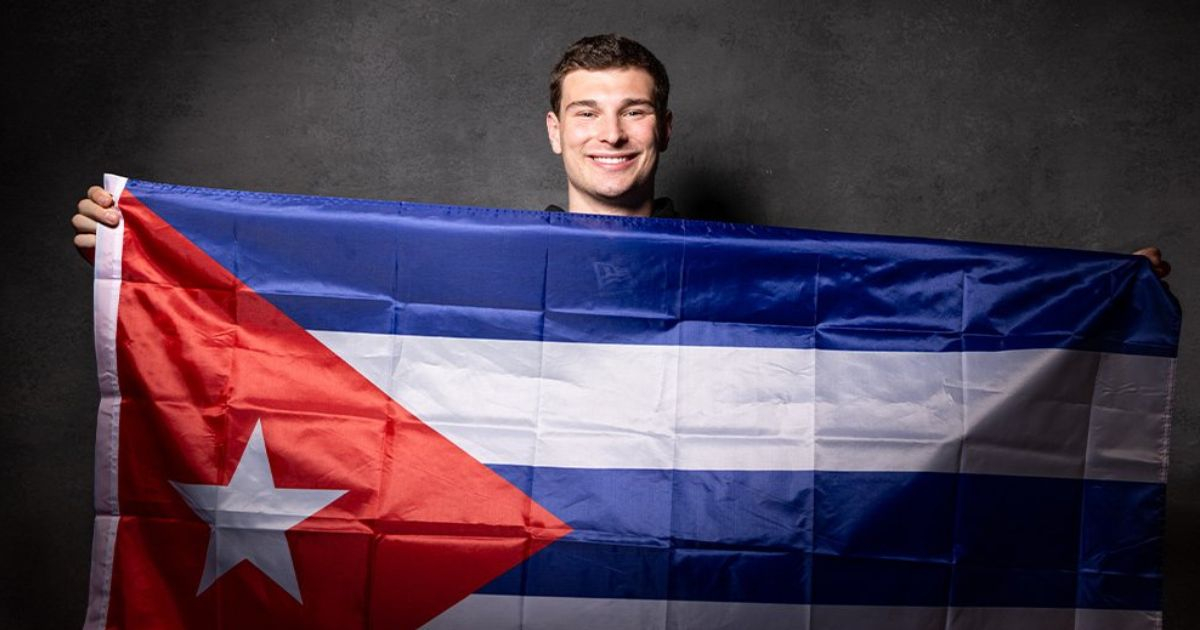
"All of my grandparents were born and raised in Cuba, three in Havana, one in Santiago, and I'm so extremely grateful for the hardship they overcame. Like so many who fled Cuba, they came to this country with nothing and started from the ground up laying a foundation for our success. For all they endured I am incredibly grateful and proud to be a Cuban American."
Fernando Mendoza
First Cuban American Heisman Trophy Winner #1 NFL Draft Choice 2026

Our Young Professionals Council connects rising leaders under 40 with mentors, executives, and Excellence Award alumni across every major industry.
Peers, mentors, and community leaders.
Skills built through service and engagement.
Preserve and celebrate the Cuban exile story.
FACE members shape the agenda — connecting with the most influential voices in business, government, and culture while powering programs that build the next generation.
Curated access to alumni, sponsors, and Excellence Award recipients across the U.S.
Mentorship, fellowships, and direct entry to our Young Professionals Council.
Priority invitations, reserved seating, and private convenings at flagship events.
Direct contribution to the Oral History archive and Cuban-American scholarship fund.


Join FACE today and stand with the leaders preserving Cuban-American legacy and building the future.