Why the Next Decade of Miami Will Be Defined by Its Memory
By Victoria Guerrero, Executive Director, Facts About Cuban Exiles
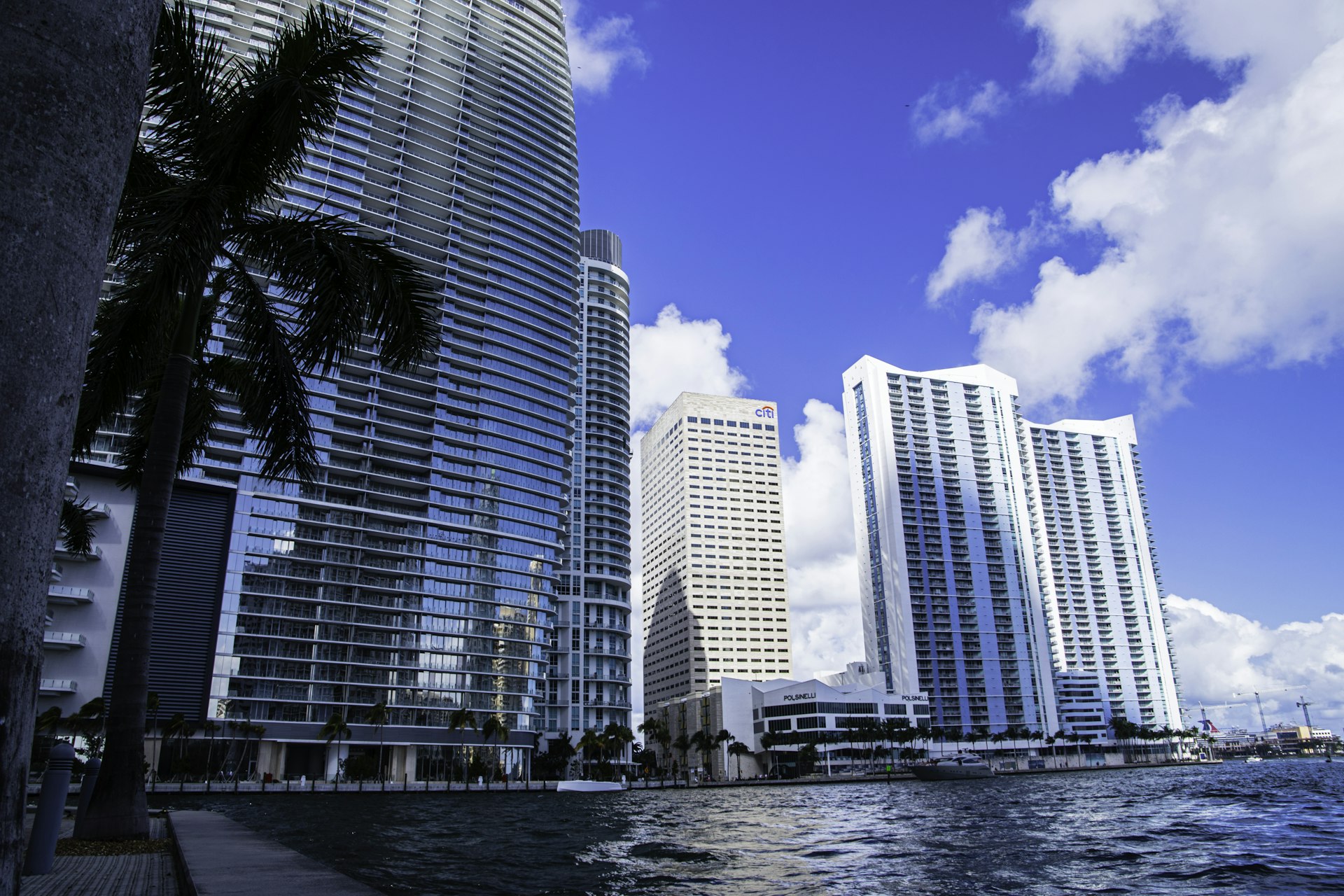
Every few years, someone writes an article about how Miami is becoming a different city. New skylines. New industries. New residents who arrived long after Calle Ocho was the center of the exile world instead of a tourist stop between it and everywhere else. Some of that is true, and none of it is new; Miami has been "becoming" something else for as long as I've been alive.
What worries me isn't the change. It's the forgetting.
I run a nonprofit, Facts About Cuban Exiles, FACE, that has spent more than four decades defending, preserving, and celebrating the identity of Cuban exiles and their descendants. We were founded in 1982 by four people who looked around Miami during the Mariel exodus and noticed something troubling: the story of the Cuban exile community was being told inaccurately, or not being told at all. They believed that if they didn't protect that story themselves, no one else would.
Four decades later, I believe the same thing, except the clock is now the loudest part of the argument.
The generation that actually left Cuba, the ones who arrived with nothing, rebuilt everything, and never went home, is not going to be here forever. Every year FACE waits to record another oral history is a year we risk losing that story permanently. Not to malice. To time. That's a different kind of urgency than most nonprofits operate under, and it's one every organization doing this work in Miami needs to take seriously.
Here's what I think the next decade actually depends on: whether Miami decides its founding civic story is worth institutionalizing, or whether it lets that story live only in family kitchens and fade out with the people who remember it firsthand.
This isn't nostalgia for its own sake. Cities that forget their founding stories lose something more practical than sentiment; they lose the throughline that makes a place legible to the people building its future. The Cuban exile story isn't a subplot in Miami's history. It's the reason this city looks and functions the way it does. Every second-generation entrepreneur, every bilingual boardroom, every neighborhood built by people who refused to disappear; that's the exile generation's fingerprint, whether the people living here today know the history behind it or not.
And it's not just a Cuban story anymore, or even just Miami's. Haitian, Venezuelan, Colombian, and Nicaraguan families are living the same generational arc right now; arriving, building, and eventually watching their own founding generation age out of the room. The model FACE has built for capturing and preserving the exile experience doesn't stay useful only to us. It's replicable, and it should be replicated, before every diaspora community in this city faces the same countdown we're facing now.
Miami spends a lot of energy branding itself as a city of the future. I'd argue the next decade belongs to whoever takes the past seriously enough to record it before it's gone. That's the work FACE has committed to. We are here to defend, promote, preserve and celebrate the identity of the Cuban exile and their descendants. All so that our histories and legacies live on for generations to come.